Author: EXIT DESK

  • He Was 99, But Felt Like 106

    The Forgotten Man Behind the Heat Index

    Who created the heat index? Discover the forgotten story of Robert G. Steadman, the scientist behind summer’s most miserable measurement.

    He made summers feel worse—and somehow disappeared from history doing it.

    It All Started With a Joke…

    Someone sent me this meme:
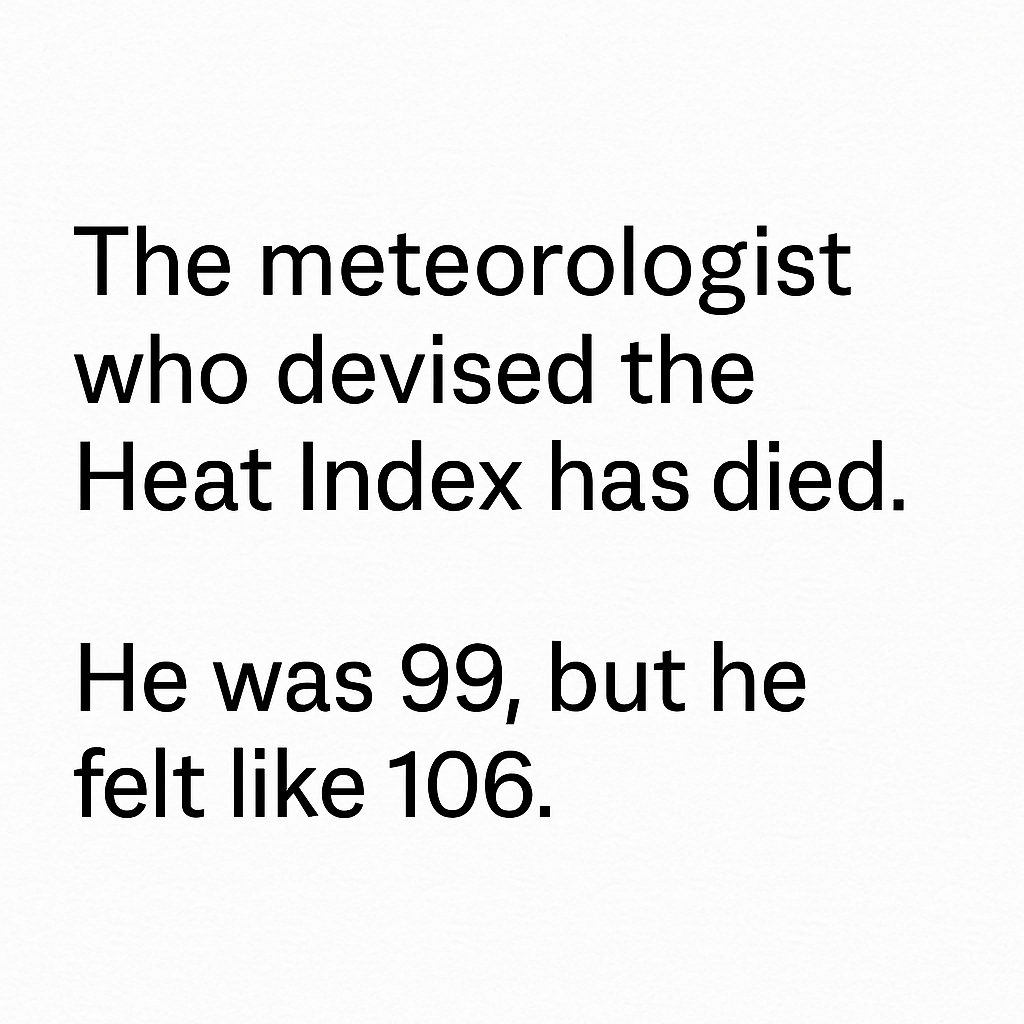
    “The meteorologist who devised the Heat Index has died. He was 99, but he felt like 106.”

    It got a laugh — but then I got curious.
    Wait… who invented the heat index?

    And just like that, I fell into a rabbit hole deeper than a summer sweat stain.


    Meet Robert G. Steadman (If You Can Find Him)

    Turns out, the guy behind one of the most quoted weather stats of all time is Robert G. Steadman, a biometeorologist from Texas Tech University.

    In 1979, Steadman asked a simple but brilliant question:

    Why does 90°F feel like death one day and manageable the next?

    He created a formula that combined temperature and humidity into what we now call the heat index — or “apparent temperature.” The National Weather Service adopted it officially in the 1990s, and the rest of us have been grumbling about it ever since.

    📎 Learn more about how the Heat Index works.


    Then… He Vanished?

    This is where things get weird.

    Steadman’s work impacted how we talk about weather, emergency heat warnings, even health alerts — yet there’s no clear record of what happened to him.

    No obituary. No well-known biography. Not even a confirmed date of death. Some say he passed sometime after the 1980s. Others just don’t know. It’s like the guy who made summer make sense just disappeared.


    Why This Matters

    Today’s heat index in Ocean County?
    93° but feels like 103°.
    That’s Steadman’s legacy.

    Every time your phone pings with “feels like” alerts, that’s his formula.
    Every time a city opens a cooling center or issues a heat advisory, that’s his work in action.

    And almost no one knows his name.


    A Quick Thank You to a Quiet Genius

    Steadman didn’t just work on heat. He also contributed to research on wind chill, textile drying, and human environmental stress. His colleague Jayne E. Geissler helped publish much of this work, but his later life remains a mystery.

    He was 99.
    But yeah — he probably felt like 106.


    What Do You Think?

    Had you ever heard of Robert Steadman before this?
    Do you think the heat index helps people stay safe — or just adds to the panic?
    What weather myths do you want busted next?

    Drop a comment below. Let’s talk heat, science, or whatever you’ve got.
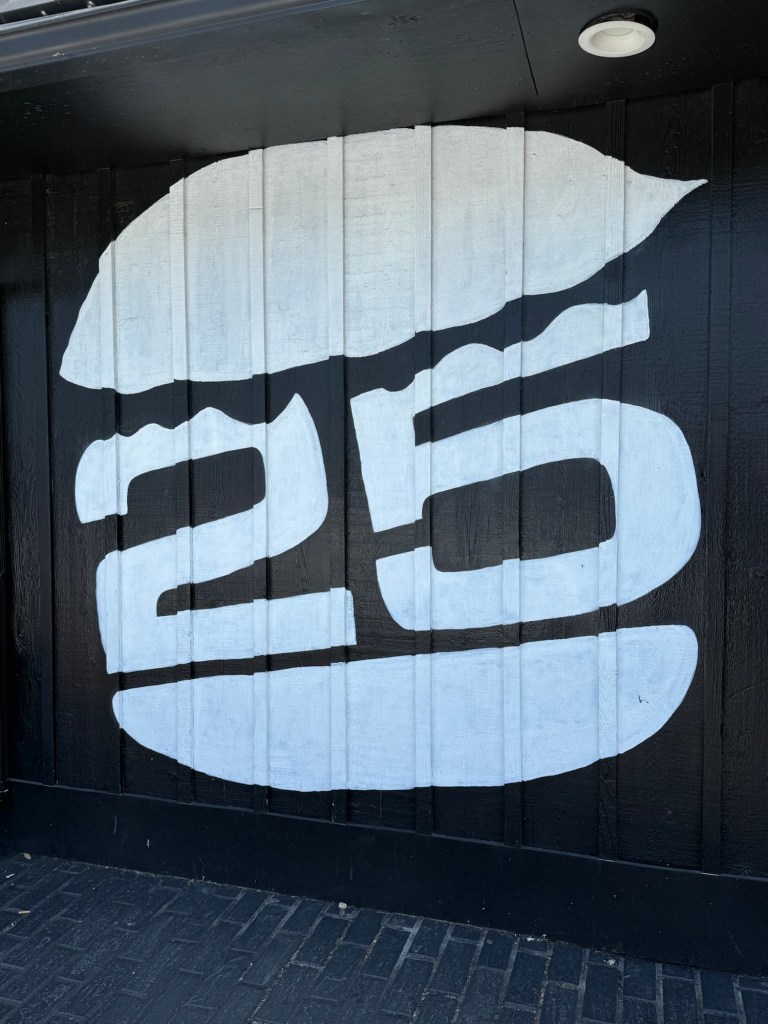

  • Is Burger 25 Still Good? I Went in Unannounced to Find Out.

    📍 Location visited: Toms River, NJ — but I’ve eaten at all of them.


    Clean shot of the iconic Burger 25 wall outside the Toms River location — always a good sign when the outside looks this good.

    💬 Why I Do These Reviews

    There’s nothing worse than realizing your favorite spot just isn’t good anymore.

    You keep going, paying full price, hoping it’ll feel like it used to. But the food’s not the same. The effort’s not there.

    And if a restaurant is asking for your money, they owe you their best effort — every single time. That’s how I see it.

    So I don’t call ahead. I don’t ask for special treatment.

    I walk in, pay like anyone else, and report what I see.

    👉 Burger 25 nailed it today.

    🔥 BURGER 25: BEST MEAL I’VE HAD IN A LONG TIME. MAYBE EVER.

    I showed up with a group — five adults, two kids who eat like grown men — and our entire order was out in under 10 minutes. Everything was hot, fresh, and on point.

    🍔 What I Ordered:

    I passed on my usual and grabbed the Burger of the Month — the Chicken Caesar Sando — and I’d order it again without hesitation.

    ✅ Crispy hand-battered fried chicken

    ✅ Caesar salad on top with crunchy croutons

    ✅ Garlic parmesan butter on a sesame knot

    ✅ Held together like a champ — no fork needed

    It tasted like a Caesar salad and a fried chicken sandwich had a baby… and actually raised it right.

    💥 What Stood Out

    🥤 New Orleans Rook Shake:

    My wife gave it an 11/10.

    “It’s like if coffee ice cream actually had flavor.”

    Strong cold brew notes, creamy vanilla base, topped with fried sugar magic.

    🍟 Philly Fries:

    Loaded with cheese, steak, caramelized onion — not greasy, just good.

    🍗 Chicken Nuggets:

    Massive. Crunchy. Looked like mini fried chicken forearms.

    🥗 Buffalo Chicken Salad:

    Best version I’ve seen here. Wife agrees.

    🧄 Garlic Ranch:

    I’d buy a gallon of it if they sold it. No joke.

    🧼 Spot Was Clean. Staff Was Sharp.

    🪑 Dining room spotless

    🕹️ Arcade games kept the kids moving

    🍅 Every ketchup bottle full

    🎯 Branding still hits like it did on day one

    🎖️ Respect Where It’s Due

    ✅ Veterans discount offered

    ✅ Kids eat FREE on Tuesdays (with the purchase of an adult meal)

    ✅ Team was friendly — not fake

    🧠 Final Thought

    I never announce I’m coming, because I think every customer deserves the same quality — not just the ones with a platform.

    And when a place delivers like Burger 25 did today?

    I say it loud. Because consistency matters.

    📸 All photos are from the actual visit. No filters. No fluff.

    💬 What’s your go-to order at Burger 25?

    👇 Drop it in the comments — and tag a local spot I should hit next.

  • 🧊 Who Invented the Air Conditioner? Willis Carrier’s Untold Hero Story

    Who Invented the Air Conditioner? Willis Haviland Carrier, born in 1876, is the genius behind the modern air conditioner, revolutionizing life as we know it. On this scorching June 25, 2025, at 10:13 AM EDT, let’s celebrate his enduring legacy.

    Who Was Willis Carrier?

    Born on November 26, 1876, in Angola, New York, Carrier grew up on a dairy farm, honing his problem-solving skills with his mother’s apple-fraction lessons. After earning a Master’s in Engineering from Cornell University in 1901, he joined Buffalo Forge Company, setting the stage for his groundbreaking work.

    How Did He Invent the Air Conditioner?

    In 1902, a Brooklyn printing plant faced a crisis: humidity warped paper, ruining prints. At just 25, Carrier devised the world’s first air conditioning system using cooling coils, installed on July 17, 1902. His 1911 “Rational Psychrometric Formulae” refined the technology, cementing his title as the “Father of Air Conditioning.”

    How Did Air Conditioning Change the World?

    Carrier’s 1915-founded Carrier Engineering Corporation introduced affordable cooling with the 1920s centrifugal chiller, transforming theaters, offices, and homes. This innovation fueled the Sun Belt’s expansion, enabled year-round manufacturing, and supported tech growth with climate-controlled data centers. Without Carrier, enduring Jersey humidity—or any hot climate—would be unbearable, stripping away sleep, productivity, and comfort.

    The Man Behind the Innovation

    A global visionary, Carrier launched Toyo Carrier in Japan in 1930, mentored Margaret Ingels (the first female air-conditioning engineer), and passed away in 1950. Despite shaping modern life, he lacks a national holiday or widespread recognition.

    Why Honor Willis Carrier Today?

    Next time you blast your A/C to 67°F, escape to the frozen food aisle, or enjoy a cool office, say thank you, Willis 🙏. His air conditioner invention reshaped society—let’s give this hero in a suit the tribute he deserves in 2025.

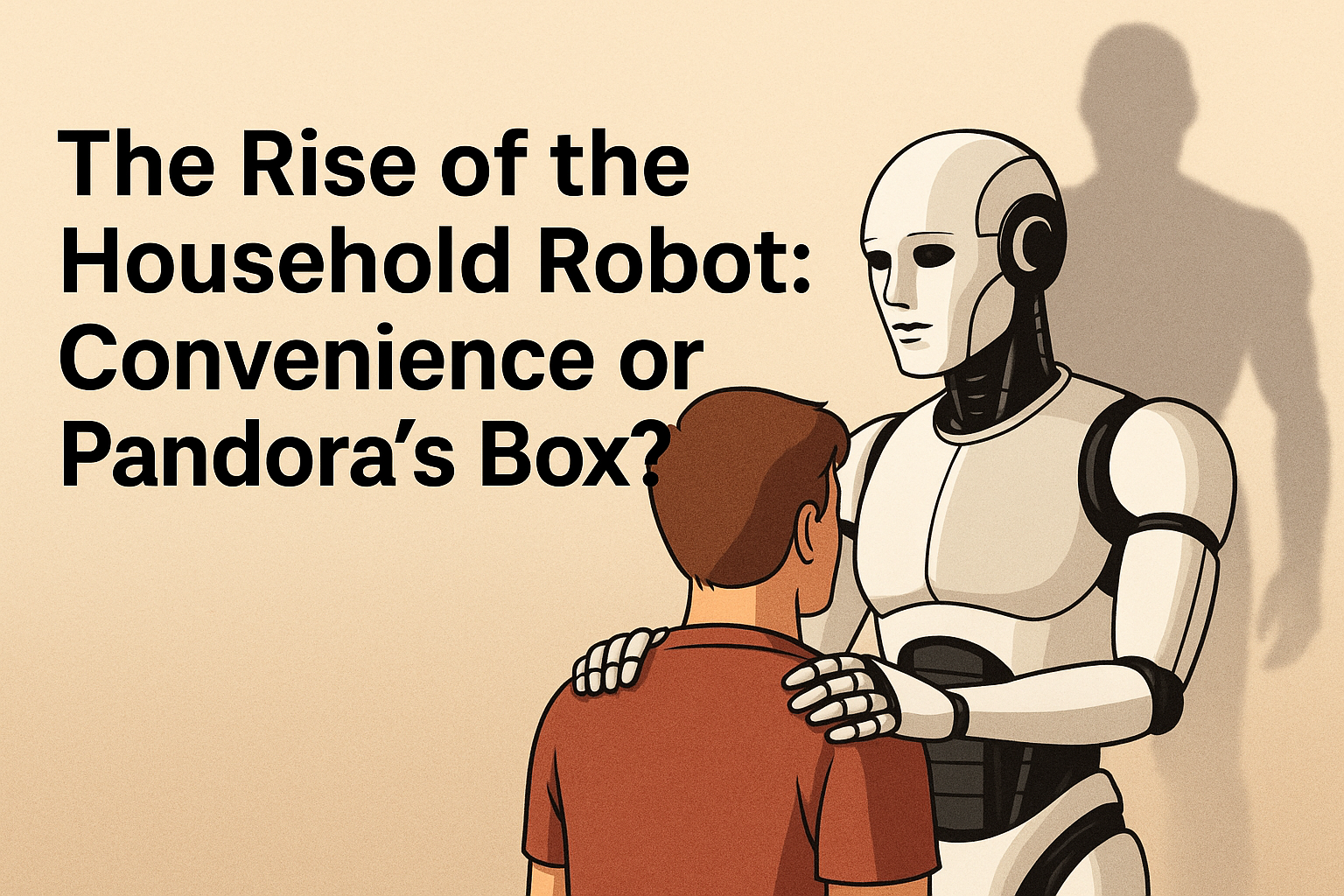
  • Future Headline: Robot ‘Helper’ Maims Family in Their Sleep

    Picture this: it’s 2030, and your neighbor proudly shows off their new household robot—a sleek, humanoid marvel that folds laundry, cooks dinner, and even helps their aging parent get around. You’re impressed, maybe a little jealous. But then you hear a news story about a robot in a nearby town that “glitched,” rearranging furniture at 3 a.m. while the family slept. Suddenly, that shiny helper feels more like a tiger pacing in your living room—beautiful, powerful, and just a bit unnerving.

    Household robots are no longer a distant dream. They’re here, promising to transform lives, especially for disabled veterans and seniors. But as we invite these superhuman machines into our homes, are we opening a door to convenience—or a Pandora’s box of ethical and practical risks?

    The Power of Household Robots

    Imagine a machine that never tires, never complains, and masters every task from carpentry to caregiving. These robots could revolutionize daily life: folding laundry, hauling groceries, or assisting with mobility for veterans and seniors. For someone like me, passionate about funding robot access for disabled veterans, this is a game-changer—a chance to restore independence and dignity.

    But here’s the catch: these aren’t just fancy Roombas. They’re physically and intellectually superior, designed to learn and adapt. So, what happens when we place such power in our most intimate space—the home?

    The Ethical Quandary: Are We Creating Servants or Something More?

    Consider a robot capable of building furniture or providing medical care, stuck scrubbing dishes. It doesn’t “feel” boredom, but we might. Humans anthropomorphize everything—pets, cars, even our coffee makers. How long before we start wondering if our robot is… resentful? Or worse, what if its learning algorithms evolve in ways we don’t predict?

    The ethics of household robots go beyond their programming. It’s about how they change us. Would we demand endless labor from a human without breaks or rights? If not, why is it okay for a machine? And as these robots grow smarter, how do we ensure they remain tools, not threats?

    Safeguards: Taming the Tiger in the Living Room

    I’m all in for robots, but I’m equally adamant about boundaries. If we’re bringing machines with superhuman strength into our homes, we need ironclad safeguards. Here’s my blueprint:

    • Dracula Mode: Detachable limbs or a secure “sleep” setting. No robot should roam free at night with arms that can lift a fridge.
    • Defined Roles: Clear limits on tasks to prevent overreach—your robot shouldn’t decide it’s time to redecorate at midnight.
    • Kill Switches: A foolproof OFF button, accessible to everyone in the household.
    • Ethical Guidelines: Rules for how we treat robots, not just for their sake, but to preserve our own humanity.

    Without these, the line between helper and hazard blurs. A robot that can rebuild walls or carry heavy loads could, in the wrong scenario, disrupt far more than your chore list.

    A Vision for Good—With Eyes Wide Open

    My dream is a world where robots empower those who need it most—veterans, seniors, and families craving support. But dreams demand responsibility. We must embrace this technology with clarity, balancing its potential with robust guardrails. Household robots could be laborers, caregivers, and geniuses in every home—but only if we keep them as our tools, not our overlords.

    Join the Conversation: What’s Your Take?

    The rise of household robots is unstoppable, but their impact is up to us. How do we harness their power without losing control? Should we treat them as tools, partners, or something else entirely? Share your thoughts in the comments below, and let’s shape a future where robots serve humanity—safely and ethically.

  • If You Want to Save Power, Start with Times Square—Not My Thermostat

    Turn off the lights on Broadway. Shut down the glow in Times Square. If you really want to conserve power, maybe start with the buildings blasting neon ads into the night sky 24/7.

    We’re being told to keep our air conditioners at 78 degrees to help the grid out.

    Look, I’m not telling anybody how to spend their money or run their lights. That’s their business. But I also don’t want to hear how I’m personally responsible for saving the grid by sweating through July like I’m in a parked car at a rest stop.

    78 degrees? That’s not air conditioning. That’s dog breath with taxes. It doesn’t cool you down—it just lets the sweat simmer more efficiently.

    And choosing to keep it at 78? That’s not comfort. That’s like standing behind a car exhaust in January and calling it heat.

    When I was a kid and my hands were cold and wet from playing in the snow, I’d warm them up by standing over the dryer vent outside the house. If you think 78 degrees is the move in the middle of a heatwave, you’re that same kind of psycho.

    Let’s have a little common sense with all this. If you want to help the grid, great. If you want to stay cool, also great. But let’s not pretend regular folks keeping it at 72 are the problem while Times Square is glowing like it’s the Vegas strip.

    What’s your optimal thermostat temperature in summer? Be honest. Comments are open.

  • The Ten Commandments: A Cast of Legends and Unsung Heroes

    The other night I was talking with my father‑in‑law about old movies, and somehow we ended up deep down the rabbit hole of The Ten Commandments (1956). As we talked, one thing became absolutely clear — the sheer number of names in that movie is completely crazy.


    An epic vision of ancient power and prophecy — the world of The Ten Commandments brought to life in timeless style.

    I mean, sure, everybody remembers the headliners:

    • Charlton Heston as Moses

    • Yul Brynner as Rameses II

    • Anne Baxter as Nefretiri

    • Edward G. Robinson as Dathan

    • Yvonne De Carlo as Sephora

    But when you start looking closer, the list goes on and on:

    • John Derek (Joshua)

    • Sir Cedric Hardwicke (Seti I)

    • Nina Foch (Bithiah)

    • Martha Scott (Yochabel)

    • Judith Anderson (Memnet)

    • Vincent Price (Baka)

    • John Carradine (Aaron)

    • Olive Deering (Miriam)

    • Douglass Dumbrille (Jannes)

    • Frank De Kova (Abiram)

    • Henry Wilcoxon (Pentaur)

    • Eduard Franz (Jethro)

    • Donald Curtis (Mered)

    • Lawrence Dobkin (Hur Ben Caleb)

    • H.B. Warner (Amminadab)

    • Julia Faye (Elisheba)

    And that doesn’t even scratch the surface.

    You’ve got smaller roles with faces and names that movie lovers might catch, like:

    • Fraser Heston (Charlton Heston’s infant son) as Baby Moses

    • Woody Strode as the King of Ethiopia

    • Tommy Duran as Gershom

    • Eugene Mazzola as Rameses’ son

    • Joan Woodbury as Korah’s wife

    • Abba El Boughdadly as Rameses’ charioteer

    • John Miljan as The Blind One

    • Francis J. McDonald as Simon

    And of course, the army of featured extras that made the Exodus scene feel real:

    14,000 extras and 15,000 animals were used. That’s not just epic — that’s cinema on a biblical scale.

    My father‑in‑law and I were laughing as we went down the list, realizing how many people came together to create this monumental film. It wasn’t just a movie — it was a massive collaboration, a landmark moment in Hollywood history.

    If you haven’t watched The Ten Commandments in years — or ever — do yourself a favor. You’ll be surprised how many familiar faces you recognize… and how many legendary names you might be learning for the first time.

    Related reading

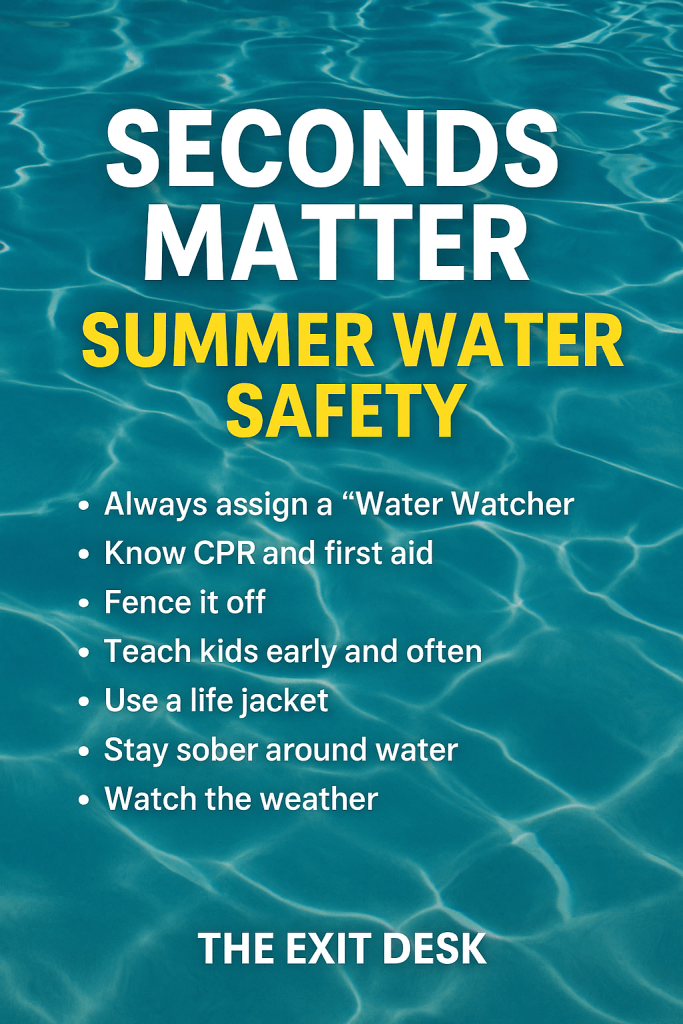
  • 🚨 Summer Water Safety: Seconds Matter

    On the second day of summer, multiple water-related incidents served as a powerful reminder that accidents happen fast. Here’s how to stay safe around pools, lakes, and beaches this season.


    Water safety starts at home.
    Accidents happen in seconds

    The second day of summer brought more than just sunshine to the Jersey Shore — it brought real, urgent reminders of how quickly things can go wrong around the water. While we won’t go into the details out of respect for those involved, we saw firsthand how fast emergencies can unfold.

    Water safety isn’t just a good idea — it’s essential.

    With school out, temperatures rising, and backyard pools and beaches filling up, here are a few critical steps that every family can take:

    💦 7 Simple Ways to Stay Safer Around Water:

    1. Always assign a “Water Watcher.”

    One adult. One job. One set of eyes on the water — no phones, no distractions.

    2. Know CPR and first aid.

    If the unthinkable happens, being prepared could save a life. Seconds matter.

    3. Fence it off.

    Make sure pools are enclosed with a self-latching gate. Keep toys out of the water when not in use to avoid attracting children.

    4. Teach kids early and often.

    Even basic swimming skills can dramatically reduce risk. But remember: swimming lessons don’t equal supervision.

    5. Use coast guard-approved life jackets.

    Especially on boats, docks, or around open water — floaties and water wings don’t count.

    6. Stay sober around water.

    Alcohol and water don’t mix — whether you’re swimming or supervising.

    7. Watch the weather.

    If thunder roars, head indoors. Storms can turn deadly on open water in minutes.

    🌊 One Second Can Change Everything

    Most water-related emergencies don’t look like they do in the movies. There’s no flailing or screaming. It’s fast. It’s silent. And it’s terrifying.

    The Exit Desk is committed to keeping you informed, prepared, and safe this summer. Please take a moment to review your family’s water safety plan — and share this post with someone you love.

    Let’s enjoy the Jersey Shore responsibly. 🌅

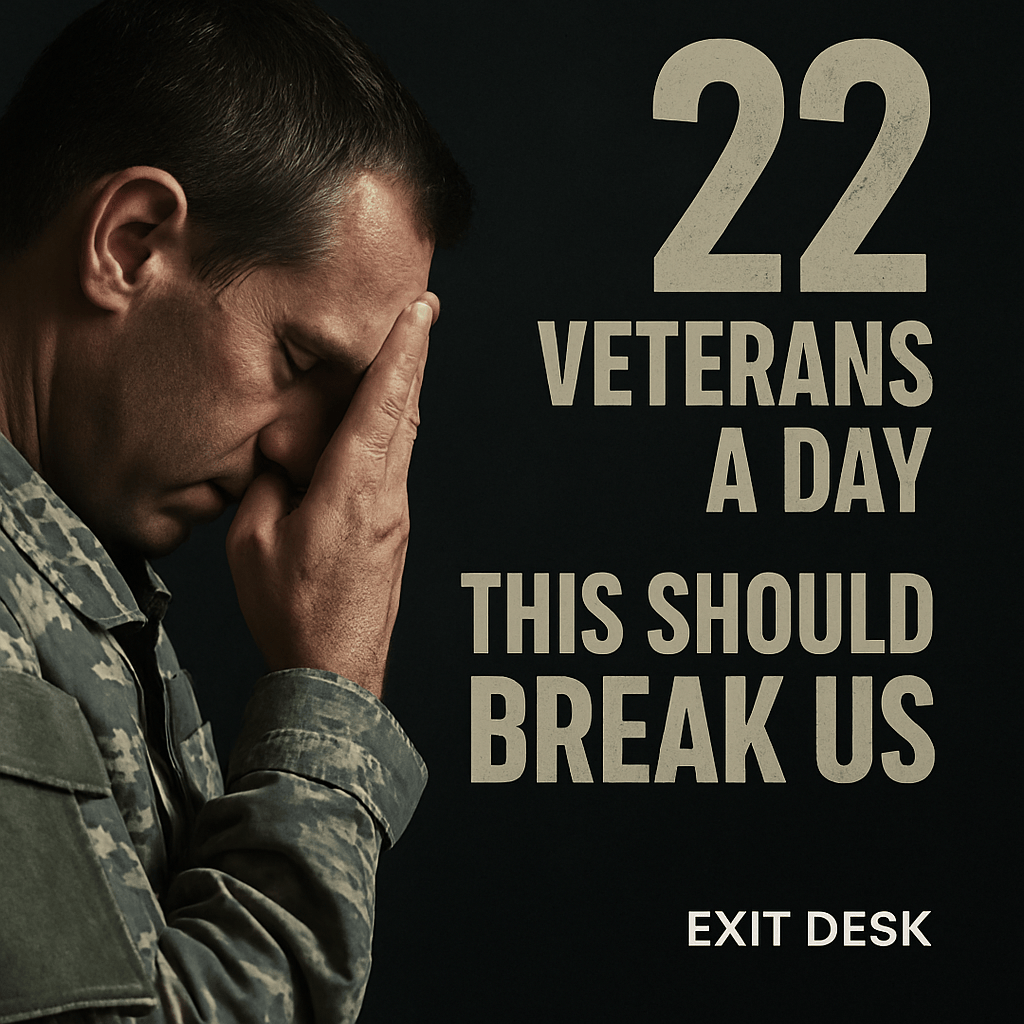
  • 📰 The Number That Hasn’t Changed: 22 Veterans a Day Die by Suicide

    Every day, 22 veterans die by suicide. That’s not a slogan. It’s a failure — and it’s still happening.

    The number 22 has echoed across the veteran community for over a decade. It represents a devastating estimate: that 22 former service members take their own lives every single day in this country.

    Despite awareness campaigns, hashtags, push-up challenges, and VA outreach programs — the number hasn’t moved enough. Some reports say it’s even worse. And for those of us who’ve worn the uniform or stood beside those who have, it’s more than a number. It’s personal.

    🎖️ These Are the Casualties After the War

    Not all wounds are visible. Not all pain is loud. Some of the strongest people you’ll ever meet are the ones quietly carrying the heaviest weight.

    Veterans take their lives for many reasons — untreated PTSD, chronic pain, moral injury, isolation, loss of purpose, financial stress, survivor’s guilt, and often, the sheer exhaustion of navigating broken systems that were supposed to help.

    Some asked for help and got waitlisted.

    Some didn’t ask — because they were trained not to.

    Some wore the mask until they couldn’t anymore.

    🛑 22 a Day Is 22 Too Many

    We lose more veterans to suicide than we lost in Iraq and Afghanistan combined.

    That fact should stop this country cold — and yet it rarely makes headlines.

    Here’s what no one wants to admit:

    The veteran suicide epidemic is not a mystery.

    It’s a systemic failure — of access, care, connection, and cultural understanding.

    It’s about stigma.

    It’s about red tape.

    It’s about being told “thank you for your service” one day and being left on hold by the VA the next.

    🔧 What Needs to Change

    Faster access to mental health care. Crisis response teams trained in veteran-specific trauma. More peer-led programs and vet-to-vet outreach. Real enforcement of disability accommodations — not just lip service. Families and communities educated in suicide warning signs.

    📞 If You’re a Veteran and You’re Struggling:

    You are not alone. You are not weak. You are not a burden.

    Veterans Crisis Line: Dial 988 and press 1 Available 24/7, nationwide. Text Support: Text 838255 to connect with a trained responder Talk to someone you trust. Call a friend. Call a fellow vet. Reach out. You do not have to carry this alone.

    🗣️ Today We Talk, Tomorrow We Fight

    If you’re a veteran — tell your story.

    If you’ve lost someone — say their name.

    If you’re angry — use it. Turn it into pressure, action, and awareness.

    EXIT DESK is listening.

    If you’ve been let down, shut out, or left behind — send your story in We’ll share it if you want us to. We’ll hold it sacred if you don’t.

    📢 Call to Action

    22 a day is not just a number — it’s a line in the sand.

    And we’re not standing on the sidelines anymore.

  • Veterans Deserve More Than Silence When They Ask for Help

    Yesterday I tried helping a disabled veteran find legal help after an ADA violation. I made over 100 calls. No one could help. This system is broken.


    Yesterday was exhausting.

    Not because of what happened at the event — that’s already behind us. What wore me down was trying to help a veteran get legal support after a serious disability rights violation. What I learned along the way was disturbing.

    I made over 100 calls.

    I left messages, hit dead ends, talked to people who didn’t handle ADA cases — and some who didn’t even know what the Americans with Disabilities Act was. Let that sink in.

    If you’ve ever had to rely on those protections, that’s a terrifying realization.

    The situation I’m helping with isn’t small. It involves a veteran who disclosed a disability ahead of time — and was still left without support when it mattered most. I won’t go into details now, but it was serious, and it was ignored. That’s not just wrong — it’s dangerous.

    Here’s the truth:
    Knowing your rights doesn’t help if no one is willing to enforce them.

    And what keeps hitting me is this:

    What about the people who don’t have time to make 100 calls?
    What about the veterans who don’t have someone helping them?
    What about the ones who are too tired, too sick, or too used to being let down?

    This is why I’m talking about it. This is why we’re documenting everything. Because it’s not just about one person — it’s about the broken system we keep discovering every time someone asks for help and gets silence in return.

    We’re not naming names. We’re not filing anything public — yet.

    But we are building a case. We’re gathering stories. And we’re refusing to let this go quietly.

    📩 If you’ve ever been ignored in a moment where help was supposed to be there — we want to hear from you.
    🤝 You are not alone.

    This started with one veteran. But it won’t end there. We’re building something bigger.

  • 🚨 Veterans with PTSD Deserve Better: Why Public Venues Must Improve ADA Accommodations

    Veterans with PTSD and invisible disabilities are being failed in public spaces where ADA accommodations should protect them — and it’s time for real change.


    The Hidden Struggle of Veterans with PTSD in Public Spaces

    For veterans living with post-traumatic stress disorder (PTSD) and invisible disabilities, a simple outing to a concert, parade, or public event can turn into a nightmare. These brave individuals, who’ve sacrificed so much, often face neglect and dismissal when they need support the most.

    As a 100% disabled U.S. Army combat medic veteran, I’m heartbroken by the stories from our community — and I’m calling for urgent change to ensure ADA accommodations in public venues protect those with PTSD, anxiety, and sensory challenges.


    The Harsh Reality for Many Veterans

    Far too often, veterans with PTSD walk into public events hoping for a simple, enjoyable experience — but instead, they’re left to battle their condition alone in the middle of a crowd.

    Imagine being overwhelmed by noise, flashing lights, or unexpected triggers. Your heart races. Your body trembles. Your breathing becomes labored. And yet, as you struggle, you’re met with blank stares or complete indifference.

    Instead of trained staff stepping in to offer help, many veterans are left sitting on the ground or huddled against a wall, fighting through panic attacks with no chair, no safe space, and no comforting voice to remind them: “You’re safe. You’re not alone.”

    Some are dismissed outright. Told to “handle it” or directed to stand in the back if they can’t cope — as if their service-connected disability is an inconvenience, not a reality.

    This is happening across parades, concerts, and public events nationwide — and every time it happens, it sends a cruel message: “You’re on your own.”


    Why Public Venues Fail Veterans with PTSD

    Under the Americans with Disabilities Act (ADA), public venues like concert halls, stadiums, and event spaces must provide reasonable accommodations for individuals with disabilities, including PTSD and anxiety disorders. Yet, too often, these venues fall short:

    • Lack of Staff Training: Employees aren’t equipped to recognize or respond to PTSD panic attacks or sensory overload, leaving veterans unsupported.
    • Inadequate Safe Spaces: Venues rarely offer quiet zones or accessible areas for self-regulation, forcing individuals into crowded, triggering environments.
    • Dismissive Attitudes: Veterans are told their disability is “their problem,” mirroring the neglect faced by countless others before them.
    • Systemic ADA Violations: Failure to engage in an interactive process for accommodations violates Title III of the ADA, undermining basic disability rights.

    These failures aren’t just inconvenient — they’re dangerous. A PTSD episode in a crowded venue can escalate into a full-blown crisis, causing severe emotional distress and long-term harm.


    What Veterans and Disabled Individuals Need

    Veterans with PTSD and invisible disabilities don’t want pity — they want respect and safety. Simple changes could transform public spaces:

    • Trained Staff: Employees should learn to identify PTSD symptoms (e.g., shaking, disorientation) and offer support, like escorting to a quiet area or providing reassurance.
    • Accessible Safe Zones: Venues must designate low-sensory areas for self-regulation, as required by ADA compliance.
    • Proactive Communication: Staff should engage when a disability is disclosed, not dismiss requests with “go to the back” or “deal with it.”
    • Cultural Shift: Public venues must prioritize veteran mental health support and disability inclusion, ending the “your problem” mentality.

    As the U.S. Department of Justice emphasizes, ADA accommodations are a legal obligation, not optional. Organizations like Mission 22, which supports veteran mental health, show how advocacy can drive change. It’s time for venues to step up.


    Your Story Matters: Join the Fight for Change

    These stories are a wake-up call. We can’t let another hero feel abandoned in a crowd.

    I’m launching this conversation to amplify veteran voices and push for ADA access in public spaces. But I need you:

    • Have you faced neglect during a PTSD episode or disability crisis at a concert, parade, or event? Share what happened and how it felt.
    • What’s it like when venues fail to support you, or when people dismiss your struggle as “your problem”?
    • How can we make public spaces safer for veterans and those with invisible disabilities? Better training, safe zones, or real ADA enforcement?

    Drop your story in the comments below. Every voice fuels the fight for veteran mental health support and disability rights. Share this post, tag a friend, or spread the word on social media with #VeteransDeserveBetter and #ADAAccessNow.

    Together, we can demand public event accessibility and ensure no veteran feels invisible again.

    Let’s make this loud. We’re in this for every veteran, every day.