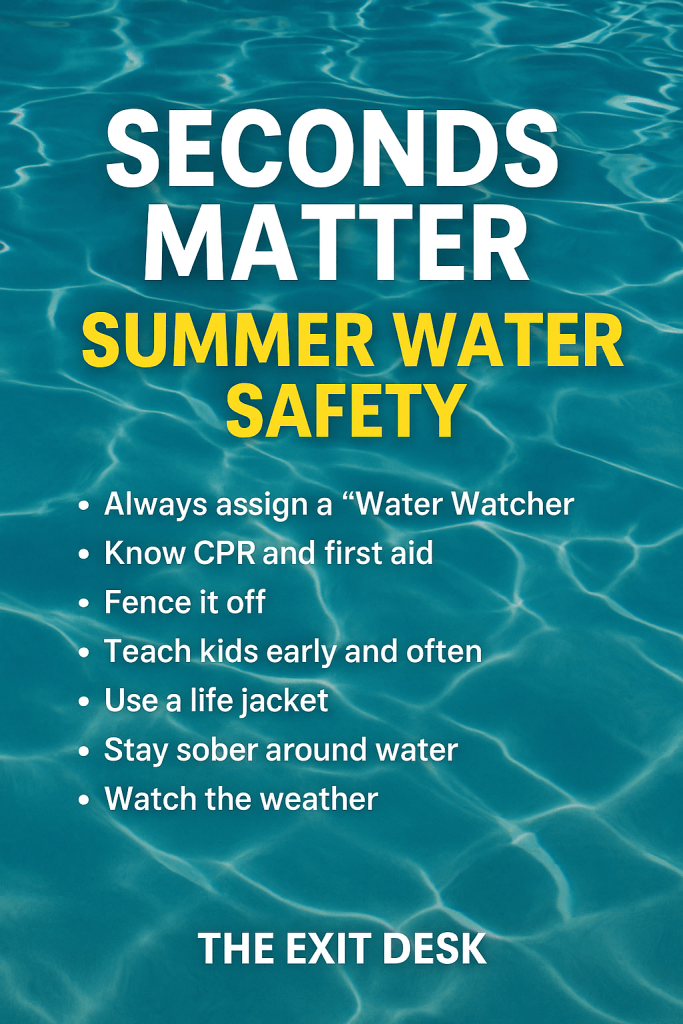
Cardiac arrest can happen to anyone at home, on a playground, or during a family gathering. New Jersey parents say knowing hands-only CPR and the full response process makes those terrifying moments feel a little less helpless. These are the simple steps families across the state rely on when every second matters.
Check for Safety First
Make sure the area is safe before approaching. Many NJ parents say they quickly scan for dangers like traffic, electrical hazards, or unstable surroundings.
Shake and Shout
Tap the person’s shoulders and shout “Are you okay?” Parents tell us they do this loudly to confirm unresponsiveness.
Call 911 Immediately
Yell for someone to call 911 and get an AED if one is nearby. Families say putting the phone on speaker keeps hands free for CPR.
Start Chest Compressions Hard and Fast
Place the heel of one hand in the center of the chest, lock your other hand on top, and push hard — at least 2 inches deep. Parents say they aim for 100–120 beats per minute, roughly the rhythm of “Stayin’ Alive.”
Let the Chest Fully Recoil
Full recoil allows blood to return to the heart. Many NJ parents say straight arms and body weight help maintain depth and rhythm.
Minimize Interruptions
Every pause reduces survival chances. Parents say they keep compressing until help arrives or an AED is ready.
Open the Airway for Rescue Breaths (if trained)
Tilt the head back, lift the chin, pinch the nose, and give two breaths, each lasting one second. Some families choose this step only if they’ve practiced it.
Use a 30:2 Ratio for Adults
For those trained in CPR, the cycle is 30 compressions followed by 2 breaths. Parents say this ratio is reliably easy to remember under stress.
Switch to Hands-Only for Untrained Bystanders
If breaths are intimidating or unfamiliar, keep compressing. Many NJ families say hands-only CPR feels simpler and still doubles survival odds.
For Children, Use One or Two Hands
Use one hand for younger children and two for teens. Compress about 2 inches. Parents say adjusting based on the child’s size becomes instinctive with practice.
For Infants, Use Two Fingers
Place two fingers just below the nipple line and compress about 1½ inches. Families say gentle, steady pressure works best.
Follow AED Prompts When Available
Many New Jersey schools, parks, and businesses now have AEDs. Parents say turning it on and following the voice prompts is surprisingly straightforward.
New Jersey families tell us that even practicing CPR once helps the steps feel automatic when emergencies strike. A few minutes of preparation can turn fear into action — and save a life.