
Tag: cold weather tips

  • 12 Real-World Winter Safety Myths NJ Families Still Believe

    A quick look at the cold-weather misconceptions New Jersey residents hear every year—and what actually keeps families safe.

    By Exit Desk

    Winter brings plenty of advice, but not all of it holds up. Across New Jersey, families still repeat a handful of myths that sound helpful but can cause more problems when temperatures plunge.

    1. “Boiling Water Clears Frozen Windshields”
      Pouring hot water can crack the glass instantly. NJ drivers use scrapers or defrosters instead.
    2. “Salt Works in Any Temperature”
      Rock salt stops working around 20°F. Families rely on calcium or magnesium blends during deep freezes.
    3. “Leaving the Faucet Dripping Always Prevents Freezing”
      A drip helps, but pipes in exterior walls may still freeze. Homeowners add insulation or shut off outdoor lines.
    4. “Four-Wheel Drive Prevents Sliding”
      4WD helps with acceleration, not braking. Drivers still slide on slush or ice along Route 9 and the Parkway.
    5. “Thick Coats Are Safe in Car Seats”
      Puffy jackets reduce harness safety. Parents buckle kids in thinner layers and use blankets instead.
    6. “Shivering Means You’re Still Fine”
      Shivering can be an early warning sign of hypothermia. Families watch closely during sledding trips and long outdoor play.
    7. “I Don’t Need to Clear the Storm Drain Near My House”
      Blocked drains cause street flooding when snow melts. NJ homeowners often clear them before big storms.
    8. “Space Heaters Are Safe Anywhere”
      They need clearance on all sides. Residents avoid placing them near curtains, bedding, or furniture.
    9. “Ice Melt Damages All Concrete”
      Some chloride-free blends are safe. NJ families choose products based on age and type of concrete.
    10. “A Car Warms Faster If You Rev the Engine”
      Modern engines warm best while driving. Idling wastes fuel and melts snow unevenly.
    11. “Thicker Gloves Keep You Warmer Forever”
      Gloves get wet quickly. Parents often pack extra pairs for kids on snow days.
    12. “If It’s Sunny, Roads Must Be Clear”
      Black ice forms even on bright days. Drivers stay cautious on shaded parkway stretches and side streets.

    Understanding these myths helps NJ families stay safer and better prepared no matter how unpredictable winter gets.

    If you found this helpful, share it in the comments and subscribe so you don’t miss the next guide.
  • 11 Real-World Ways NJ Families Prevent Hypothermia

    Practical steps New Jersey families use to stay warm and safe when temperatures plunge.

    By Exit Desk

    When winter hits hard, hypothermia becomes a real concern in New Jersey. Families across the state use simple, dependable habits to keep warm during Arctic blasts, long commutes, and sudden cold snaps.

    1. Layering With Purpose
      Parents often dress kids in moisture-wicking base layers, warm mid-layers, and waterproof outer shells. This keeps body heat in even when snow starts turning to slush.
    2. Keeping Emergency Blankets in Cars
      Drivers stash thermal blankets in trunks during long Parkway or Turnpike trips. It’s a small step that pays off in stalled traffic or unexpected breakdowns.
    3. Wearing Dry Socks and Gloves
      NJ families know wet clothing accelerates heat loss. Many keep backup pairs in backpacks or cars for after school or winter sports.
    4. Limiting Time in High Winds
      Strong gusts in towns like Brick, Barnegat, and Point Pleasant can pull warmth away quickly. Families plan errands around the windiest hours of the day.
    5. Using Hand and Foot Warmers
      Disposable warmers show up in coat pockets and boots when temperatures dip into the teens. Parents rely on them during kids’ outdoor activities.
    6. Drinking Warm Liquids Often
      From tea to hot chocolate, staying hydrated and warm helps maintain body temperature. Many NJ residents keep travel mugs filled whenever they’re out.
    7. Checking on Seniors Regularly
      Families make quick calls or visits to ensure older relatives have heat, dry clothes, and safe indoor temps. This is common during deep overnight freezes.
    8. Setting Home Thermostats Smartly
      Most NJ households avoid letting the indoor temperature drop too low to “save money.” Keeping rooms consistently warm reduces the risk of cold exposure.
    9. Avoiding Alcohol Before Long Walks
      Residents know alcohol creates a false sense of warmth. New Jersey runners and bar-goers often remind friends to bundle properly before heading out.
    10. Using Weatherproof Outerwear
      Many families invest in waterproof jackets, lined boots, and wind-resistant hats because slushy storms increase heat loss more than dry snow.
    11. Recognizing Early Warning Signs
      Parents watch for shivering, pale skin, or confusion during winter outings. Spotting issues early helps prevent more serious cold-related emergencies.

    A little preparation goes a long way when temperatures swing from mild to dangerous overnight. NJ families stay ahead of the cold by using simple routines that keep everyone warm and aware.

    If you found this helpful, share it in the comments and subscribe so you don’t miss the next guide.

  • How to Build a Real Igloo: The Step-by-Step Guide Anyone Can Follow

    By Exit Desk

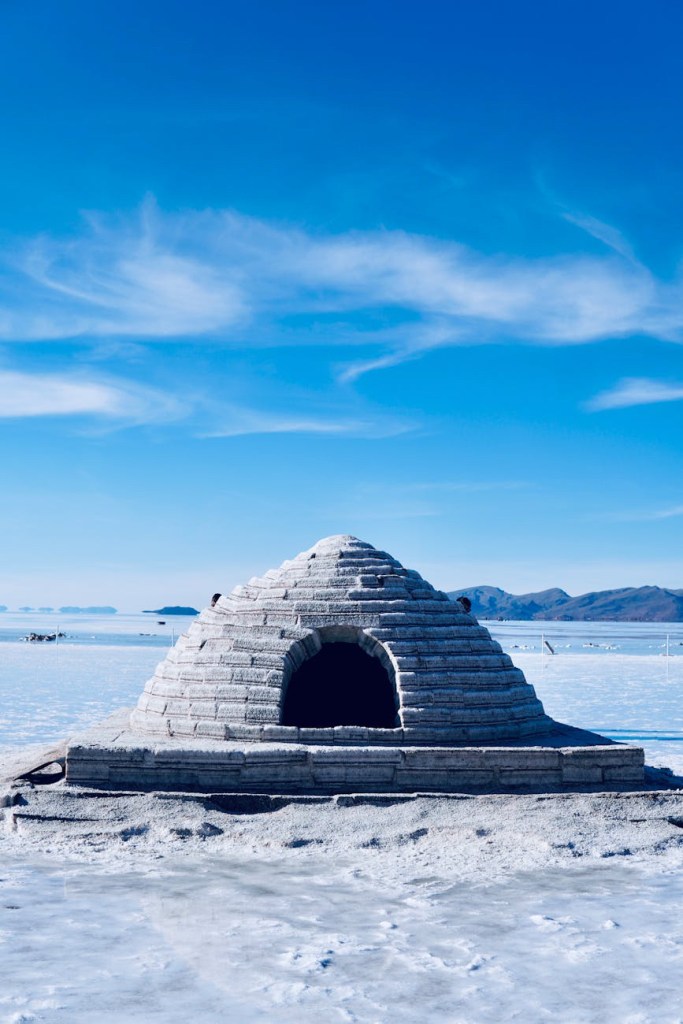
    Building an igloo is one of those skills that looks impossible until you try it. In reality, anyone with the right snow, a few basic tools, and some patience can build a sturdy, insulated shelter that can last days — even in New Jersey, if the weather cooperates.

    Here’s exactly how igloos are built, why the shape works, and how to create one safely.

    What You Need

    You don’t need fancy gear. Arctic builders used simple hand tools for centuries. Here’s the modern version of that list:

    Hard-packed snow (wind-packed snowbanks or plow piles work best) Snow saw or hand saw (a pruning saw works surprisingly well) Snow shovel Gloves and waterproof clothing A friend (optional, but speeds things up)

    The key material isn’t ice — it’s compacted snow. Loose powder won’t work. Snow that’s been compressed by wind, plows, or repeated freeze–thaw cycles is ideal.

    Step 1: Pick the Right Snowbank

    Look for:

    A plowed mound A wind-packed drift A snow pile that’s at least 3–5 feet high

    Test the snow by cutting a test block. If it holds its shape when you lift it, you’re good.

    Step 2: Cut Your Building Blocks

    Traditional igloo blocks are:

    2–3 feet long 1 foot high 8–12 inches thick

    Use a snow saw to cut clean, rectangular blocks. The tighter the edges, the stronger the igloo.

    You’ll need around 40–60 blocks for a small one-person igloo, and 70–100 blocks for a larger dome.

    Step 3: Create the Base Circle

    Mark a circle in the snow roughly 6–8 feet wide depending on size.

    Lay your first row of blocks around the circle.

    Then — this is the key — cut a gentle upward slope along the top edge of the first row so the entire structure spirals upward naturally. This prevents the dome from collapsing inward.

    Step 4: Build the Spiral Dome

    Stack each block slightly leaning inward, creating the dome shape.

    Tips:

    Trim every block so it fits snugly Angle them inward progressively Fill any gaps with loose snow (“chinking”)

    As the walls rise, the inward lean becomes more dramatic. By the time you reach the top, your blocks should almost be horizontal.

    Step 5: The Keystone

    The final block — the keystone — locks the entire dome in place.

    Cut a slightly oversized block, shape it into a wedge, and set it on top. Once it’s in, the igloo becomes self-supporting.

    This is the moment where the whole thing turns solid.

    Step 6: Dig the Entrance Tunnel

    Cut a small opening at ground level and dig downward slightly, creating a cold-air trap. Warm air stays inside while cold air settles into the tunnel.

    If you want extra insulation, build a small entrance arch using leftover blocks.

    Step 7: Smooth the Inside

    Run a gloved hand around the interior walls to lightly pack the surface. When the inside warms from body heat, the snow will melt slightly, then refreeze into a smooth, ice-like shell.

    This strengthens the entire structure.

    How Long Will an Igloo Last?

    In freezing temperatures, an igloo can last days to weeks.

    If temperatures rise above freezing during the day but dip below freezing at night, it may sag but then refreeze — lasting 24–48 hours in typical New Jersey winter swings.

    With solid blocks from plow piles, even longer.

    Is It Possible in New Jersey?

    Yes — but only when the conditions are right:

    You need hard-pack snow (plow piles are perfect) You need at least one night below freezing Powdery storm snow won’t work until it settles or refreezes

    Many people build functioning igloos in the Northeast every year, and Jersey winters absolutely produce the right conditions after major storms.

    Final Thoughts

    Building an igloo is half engineering, half adventure. Whether you’re doing it for fun, survival practice, or just to say you did it, the process teaches you a surprising amount about snow, structure, and patience.

    Just remember: compact snow, clean cuts, inward angles, and a solid keystone. Get those right, and the dome will hold.

    December 3, 2025