
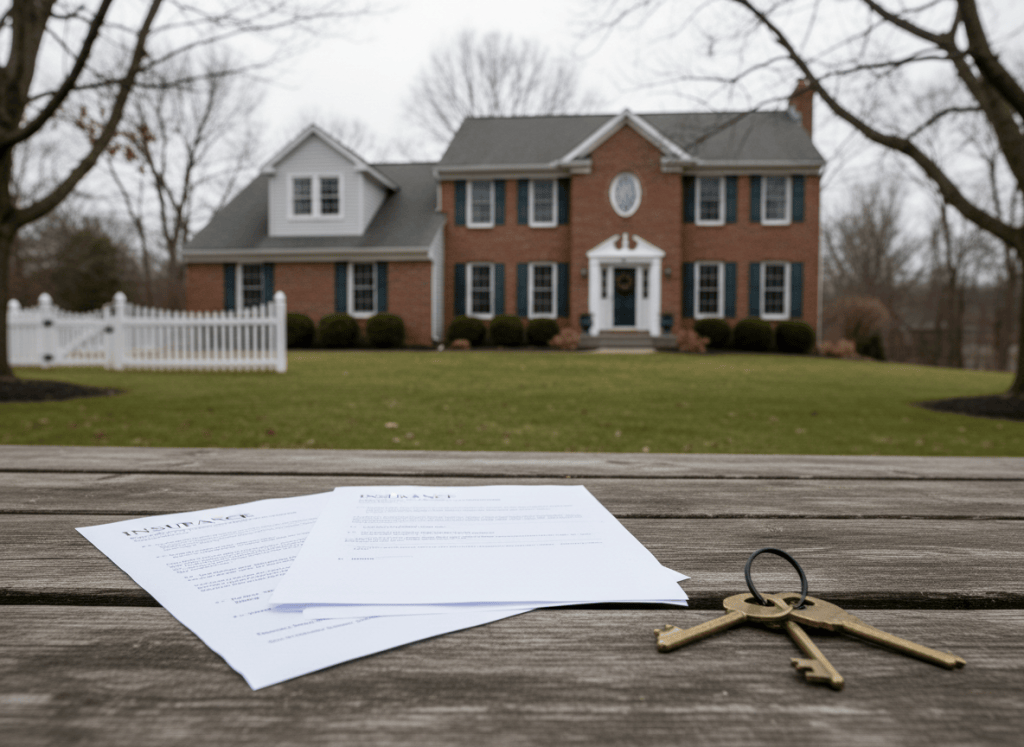
A homeowners-insurance cancellation or nonrenewal can threaten both your property protection and your mortgage compliance, so do not wait until the last day to respond. New Jersey requires written notice and a specific reason, but the rules differ depending on whether a policy is new, mid-term, ending at renewal, or unpaid.
This guide explains the basic New Jersey notice rules, how to challenge a questionable decision, and how to find replacement coverage—including the state FAIR Plan as a last resort.
Cancellation versus nonrenewal
Cancellation ends a policy before its expiration date. Nonrenewal means the insurer will let the current term expire but will not offer another term. A renewal with materially less favorable terms can also require clear notice.
Read the notice carefully. It should state the specific reason and the facts the insurer says make that reason applicable to your policy.
New Jersey notice rules
- New policy: during the first 60 days, an insurer generally may cancel for a reason not otherwise prohibited by law, with at least 10 days’ written notice.
- Nonrenewal: the insurer generally must mail or deliver written notice at least 30 days before the policy expires.
- Renewal on altered terms: written notice of less favorable terms generally must accompany the renewal offer and be mailed at least 30 days before renewal.
- Nonpayment: New Jersey’s consumer guidance warns that homeowners insurance has no general grace period for premium payments. Pay promptly or address a billing error immediately.
These are general consumer rules; the policy, reason, insurer action, and applicable regulation can affect the result.
What to do the day you receive the notice
- Confirm the termination date. Put it on your calendar and leave time to bind a new policy.
- Call the insurer or agent. Ask what records support the decision and whether correcting the condition could reverse it.
- Request the underwriting reason in writing. Compare it with your property, payment, inspection, and claims records.
- Notify your mortgage servicer only as needed. Once replacement coverage is bound, provide proof promptly to prevent force-placed insurance.
- Start shopping immediately. Do not wait for a complaint decision before seeking coverage.
Can you fix the reason for nonrenewal?
Sometimes. An insurer may be concerned about roof condition, electrical or plumbing hazards, vacancy, an uncorrected inspection issue, claims history, or a change in property use. Ask whether photographs, an inspection, proof of repair, a higher deductible, or another documented correction would allow renewal.
Do not make expensive repairs based only on a vague phone conversation. Ask what standard applies and whether the insurer will reconsider after receiving specific evidence.
How to shop for replacement coverage
Contact several New Jersey-licensed agents or insurers and compare the same dwelling limit, deductible, liability limit, water backup, ordinance-or-law coverage, and exclusions. The cheapest quote may provide materially less protection.
Disclose prior losses and property conditions accurately. A misstatement can create a later coverage dispute. Verify the new effective date before allowing the old policy to end.
What if no standard insurer will cover the home?
The New Jersey Insurance Underwriting Association FAIR Plan may offer basic property coverage when standard-market coverage is unavailable. Owners can apply directly or through a licensed agent.
The FAIR Plan is a market of last resort, not equivalent to a broad homeowners policy. State guidance says it does not provide personal liability coverage and generally offers more limited protection, though optional theft coverage may be available. Ask an agent whether separate liability or other policies are needed.
How to file a New Jersey complaint
If the notice is late, vague, factually wrong, unfairly discriminatory, or inconsistent with the policy, file a complaint with the New Jersey Department of Banking and Insurance Consumer Inquiry and Response Center. Include:
- the cancellation or nonrenewal notice;
- the policy and declarations page;
- payment records;
- inspection reports, photographs, repair receipts, and relevant correspondence;
- a short timeline and the resolution requested.
NJDOBI can review whether the insurer followed the policy and New Jersey law, but a complaint does not guarantee reinstatement. Continue shopping while it is reviewed.
Avoid force-placed insurance
If you have a mortgage and coverage lapses, the servicer may buy lender-protecting insurance and charge you. It is often expensive. Send the new declarations page through the servicer’s specified channel and keep delivery confirmation. If force-placed charges overlap with your own compliant coverage, federal rules generally require cancellation and a refund for the overlapping period after proof is received.
Bottom line
Verify the deadline and reason, try to correct factual or property issues, shop immediately, and preserve every document. Use NJDOBI’s complaint process when the insurer’s explanation or notice appears improper, but do not let a dispute create an uninsured gap.
Official sources
This article provides general information, not legal or insurance advice.

