Category: Home & Contractors

Step-by-step guides for dealing with contractors, deposits, small claims, and home improvement problems in New Jersey.

  • Too Small for a Lawyer, Too Big to Eat: Suing a Bad Contractor in NJ Small Claims Court

    Too Small for a Lawyer, Too Big to Eat: Suing a Bad Contractor in NJ Small Claims Court

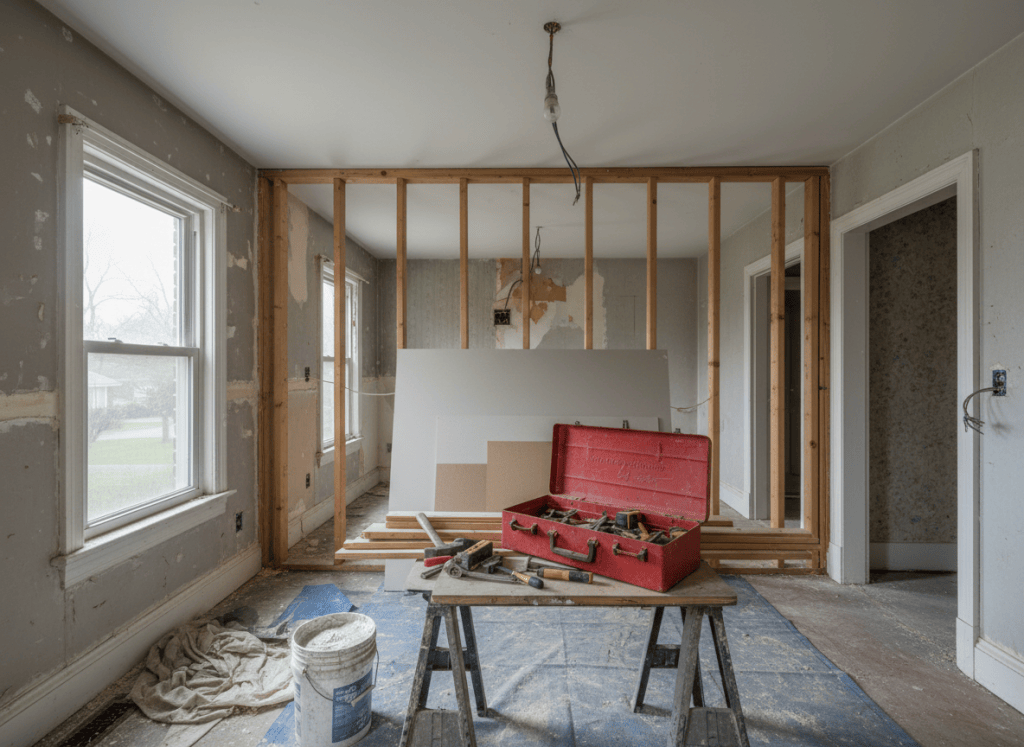
    Here is the exact spot a lot of New Jersey homeowners end up. The contractor took your deposit, did half the job, or did the whole job like he was mad at your house. You are out a few thousand dollars. You call a lawyer, and the lawyer is kind about it, but the math does not work. The case is too small for a lawyer and too big for you to just eat it and smile.

    So you do nothing. And the contractor knows most people do nothing. That is the business model.

    Let me be clear about something, because this is the part the system does not advertise. New Jersey built a court for exactly this fight, it costs less to file than the deposit you lost, and if your contractor broke the consumer protection rules, the law does not just give you your money back. It can triple it.

    I am not a lawyer. (If I were a lawyer I would charge you to read this paragraph.) This is the map, not the legal advice. But it is a real map, pulled from the courts themselves.

    First, pick the right courtroom

    New Jersey splits money lawsuits by size, and the split decides where you file.

    $5,000 or less: Small Claims. Small Claims is a section of the Special Civil Part of Superior Court. It is built for people representing themselves. The New Jersey Courts’ own FAQ puts the limit plainly: small claims handles cases where you are suing for not more than $5,000.

    More than $5,000, up to $20,000: regular Special Civil Part. Same courthouse family, more formal. A $12,000 kitchen disaster lives here, not in small claims.

    More than $20,000: Law Division, Civil Part. That is full-size court, and that is lawyer territory.

    The filing fee for a small claims complaint is $35 for one defendant, plus $5 for each additional defendant, with service fees on top of that. Thirty-five dollars. Most of us have spent more than that on a “quick” trip into a home improvement store that turned into three trips.

    You file in the county where the defendant lives or where the business is located. The court sells you nothing, gives you the forms, and the forms are also on njcourts.gov.

    Now the part that changes the math: the Consumer Fraud Act

    A bad job is a contract dispute. A dishonest job is something else, and New Jersey law treats it like something else.

    Under the New Jersey Consumer Fraud Act, if a contractor used deception, fraud, or misrepresentation on you, or broke the home improvement rules that sit under that law, and you can show an actual loss caused by it, the court is required to award you three times your damages. Three times. On top of that, the court awards your reasonable attorney fees and costs. The statute is N.J.S.A. 56:8-19, and the word in it is “shall,” which is lawyer for “the judge does not get to shrug.”

    This is why some rules you might think are paperwork actually matter:

    • Home improvement contracts over $500 must be in writing, signed, with the required terms. No written contract is not a small slip. It is a violation.
    • A contractor who does home improvement work without being registered with the Division of Consumer Affairs is committing an unlawful practice under the same law. Registration is not optional decoration. It is the license plate on the whole operation.
    • The treble damages rule can push a case over the small claims limit fast. A $4,000 loss, tripled, is $12,000, and now you are in regular Special Civil Part whether you planned to be or not. Worth knowing before you file, not after.

    None of this means every sloppy job is fraud. A guy who is bad at tile is bad at tile. The Act is aimed at deception: the deposit that vanished, the materials you paid for that never existed, the start date that was a fairy tale. Know the difference, because the judge will.

    Before you file: the boring stuff that wins

    Courts do not run on being right. They run on paper. So gather the paper while you are still angry, because anger fades and receipts do not.

    Save the contract, every text, every email, every invoice, and every photo. Especially the photos. Take them now, not after you fix the problem, because once you fix it your evidence is under somebody else’s drywall. Write down the timeline while you remember it: when he started, when he stopped answering, what you paid and when. If you filed a complaint with Consumer Affairs first (and you should, it is free and it creates another record), keep that too.

    One more deadline people sleep on. Breach of contract claims in New Jersey generally carry a six-year statute of limitations. Six years sounds like forever until you realize how fast a “next week, I swear” can eat a calendar. Do not let a guy string you along past your own rights.

    The flat truth at the end

    Winning a judgment and collecting a judgment are two different sports. The court can hand you a piece of paper that says he owes you, and collecting is its own process after that. I am not going to pretend otherwise, because pretending is what got you a half-finished bathroom in the first place.

    But here is what filing does even before you collect a dime. It makes you a record. It makes him answer, in a building, on a day, in front of a judge. For a lot of contractors, that letter from the court is the first time ignoring you stops being free.

    You already paid for the lesson once. The filing fee is $35. Learn it the cheap way this time.

    Related reading on Exit Desk:

  • NJ Contractor Took Your Deposit or Abandoned the Job: Complaint and Recovery Steps

    NJ Contractor Took Your Deposit or Abandoned the Job: Complaint and Recovery Steps

    By EXIT DESK
    Published: September 22, 2026 at 6:56 p.m. ET
    Updated: September 22, 2026 at 9:45 p.m. ET

    If a New Jersey home-improvement contractor took a deposit, stopped communicating, or left the project unfinished, preserve the evidence before the dispute gets worse. A state consumer complaint can trigger review or enforcement, but it does not automatically return your money. Your best next step depends on the contract, the payment method, the amount involved, whether permits or unsafe conditions are involved, and whether the contractor is still operating.

    This guide focuses on practical documentation, complaints, payment disputes, insurance questions, and legal options. It complements our guide to hiring a New Jersey home-improvement contractor.

    First, secure the property and evidence

    • Photograph and video all completed, incomplete, damaged, and exposed work.
    • Save the signed contract, proposals, change orders, invoices, permits, proof of payment, warranties, advertisements, texts, emails, and voicemails.
    • Write a dated timeline of promises, payments, workdays, missed appointments, and conversations.
    • Download electronic messages and project-portal records before access disappears.
    • If the site is unsafe or exposed to weather, take reasonable steps to prevent additional damage and document why emergency work was necessary.

    Do not alter or demolish disputed work before documenting it unless safety requires immediate action. For a large dispute, an independent inspection or written repair estimate can help establish the condition and likely completion cost.

    Check the contract and registration

    New Jersey home-improvement contracts priced at $500 or more generally must be in writing and include key information such as the contractor’s legal name, business address, registration number, start and completion dates, description of work, and total price. Search the contractor’s registration through the New Jersey Division of Consumer Affairs and save the result.

    A registration number—often beginning with 13VH—is not a quality guarantee. An expired, missing, or mismatched registration can be important evidence, but it does not by itself resolve a refund dispute.

    Send a written demand

    State the contract, amounts paid, work completed, specific breach, and the resolution you want. Give a reasonable written deadline. Depending on the facts, you might demand a documented return-to-work schedule, correction of defective work, return of unused materials, release of permits, or refund.

    Send the demand to every address and email listed in the contract and registration record. Keep delivery proof. Avoid threats or exaggerated accusations; a factual timeline is more useful to regulators, payment providers, and courts.

    Can you cancel within three business days?

    New Jersey home-improvement contracts must provide a right to cancel for any reason before midnight of the third business day after the consumer receives a copy. Cancellation must be written and delivered as the statute describes. A timely cancellation entitles the consumer to a full refund, generally within 30 days after the contractor receives the notice.

    This three-business-day rule is not a general cancellation right months into a project. If the period has passed, your rights depend on the contract and the contractor’s conduct.

    Dispute the payment when appropriate

    If you paid by credit card, contact the card issuer promptly about its billing-dispute process and deadlines. If financing was arranged, review the lender’s dispute procedure and whether the financing contract is connected to the home-improvement sale.

    Do not file a false fraud claim for a payment you knowingly authorized. Explain that the dispute concerns services not delivered, abandonment, cancellation, or misrepresentation, and provide the contract and evidence.

    File a New Jersey contractor complaint

    Use the New Jersey Division of Consumer Affairs complaint portal and select the home-improvement contractor complaint process. Include:

    • the contractor’s legal and trade names and registration number;
    • the signed contract and all change orders;
    • proof and dates of each payment;
    • your timeline and written demand;
    • photographs, inspection findings, permit records, and completion estimates;
    • the exact financial or corrective resolution requested.

    A complaint may help the Division investigate registration or consumer-fraud violations. It is not a substitute for a civil claim and does not guarantee restitution.

    Contact the municipal construction office

    Ask whether required permits were obtained, which inspections occurred, and whether permits remain open. The local code office can address code and permit issues, but it generally does not decide private payment disputes or force a contractor to refund a deposit.

    Do not falsely claim you performed work yourself on a permit application when a contractor actually performed it.

    What about the contractor’s insurance?

    Liability insurance may respond to covered property damage or injury, but it usually is not a guarantee that the contractor will finish the job or refund an ordinary contract payment. Obtain the declarations information you were given and report an actual covered loss accurately. Do not assume “insured” means bonded or that a bond or recovery fund exists for every dispute.

    When to speak with an attorney

    Legal advice becomes more important when the loss is large, the contractor files or threatens a construction lien, the home is unsafe, financing is involved, multiple consumers appear affected, or deadlines are approaching. Ask about contract claims, the New Jersey Consumer Fraud Act, lien rights, small-claims or civil-court options, and whether attorney-fee or enhanced-damage provisions could apply to proven conduct.

    For suspected theft or deliberate fraud, you may also contact local law enforcement, but a delayed or poor-quality project is often a civil dispute rather than a crime. Provide facts and let the agency classify it.

    Avoid compounding the loss

    • Do not pay a second large deposit without verifying the replacement contractor.
    • Get written estimates separating correction, demolition, and completion costs.
    • Preserve damaged materials when practical.
    • Confirm permits and insurance before replacement work begins.
    • Do not post private information or unsupported accusations online.

    Bottom line

    Document first, make a precise written demand, use payment-dispute channels before deadlines expire, file a complete Consumer Affairs complaint, and address permit or safety issues locally. For a substantial loss, legal advice can be more valuable than repeatedly negotiating with a contractor who has already abandoned the job.

    Official sources

    This article provides general consumer information, not legal advice.

    Related reading

  • How to Hire a Moving Company in New Jersey: License Check, Estimates and Scam Warnings

    A company moving household goods from one New Jersey address to another must be properly licensed as a public mover. Before comparing prices, consumers should verify that license, understand the estimate and identify which services or damage protection are actually included.

    1. Verify the New Jersey mover’s license

    Intrastate public movers and warehousemen are regulated by the New Jersey Division of Consumer Affairs. License types include PM for moving, PW for warehousing and PC for combined moving and warehousing.

    Use the official license-verification page or contact the Division. Match the legal business name, address and license number to the estimate. A federal USDOT number alone does not replace the required New Jersey authority for an intrastate household move.

    2. Request at least three written estimates

    New Jersey consumer guidance recommends comparing multiple licensed movers. The mover must conduct an on-site or qualifying virtual survey before calculating the estimate and must give the consumer a completed written estimate.

    Show the estimator everything: closets, attic, basement, garage, storage unit, fragile items and anything requiring disassembly, stairs, long carries or special rigging.

    Binding versus nonbinding estimates

    A binding estimate sets an agreed price for the described services and shipment, although changes requested by the customer can alter the cost. A nonbinding estimate is an approximation based on the mover’s tariff and the shipment information. Ask the mover to identify the estimate type in writing.

    Charges that should be disclosed

    • Packing and unpacking
    • Boxes and materials
    • Travel time or mileage
    • Hourly labor
    • Stairs, elevators and long carries
    • Large or unusually heavy items
    • Disassembly and reassembly
    • Storage or redelivery
    • Coverage or valuation options
    • Tolls, parking and other approved charges

    Required consumer documents

    A licensed mover must provide the state-approved “Important Notice to Consumers Using Public Movers and Warehousemen.” After selection, the mover must also issue an Order for Service at least 24 hours before the scheduled move, except in qualifying short-notice situations.

    Understand damage protection

    Do not assume the mover will pay full replacement cost for damaged property. New Jersey consumer guidance warns that, without additional coverage, required compensation may be limited to $1 per pound per article. Ask for every available protection option, price and exclusion in writing.

    Carry jewelry, cash, identity documents, medication and irreplaceable records personally rather than packing them with ordinary household goods.

    Moving-company red flags

    • No verifiable New Jersey mover license
    • Estimate issued without an in-person or qualifying virtual survey
    • Refusal to provide a completed written estimate
    • Large cash deposit or cash-only demand
    • Business name on the truck does not match the paperwork
    • Blank or incomplete documents
    • Price dramatically below every licensed competitor
    • Pressure to sign immediately
    • No physical business address
    • Threats to withhold belongings unless an undisclosed charge is paid

    Before moving day

    1. Photograph valuable furniture and electronics.
    2. Create a box and item inventory.
    3. Confirm addresses, dates, arrival window and contact numbers.
    4. Reserve parking and elevators when required.
    5. Review the estimate and Order for Service.
    6. Keep contracts and important documents with you.
    7. Confirm payment methods and final-payment conditions.

    After delivery

    Inspect goods as they arrive and note missing or damaged items promptly. The Division advises that a damage claim can be filed up to 90 days after the move, but consumers should notify the mover immediately and follow the contract’s written claim procedure.

    Interstate moves

    A move crossing state lines involves federal requirements in addition to any applicable state rules. Verify the company through the Federal Motor Carrier Safety Administration and review federal consumer materials for interstate household-goods moves.

    Official resources

    General consumer information only. Verify current licensing and requirements with the New Jersey Division of Consumer Affairs and federal regulators when applicable.

  • How to Hire a Home Improvement Contractor in New Jersey: Registration, Contracts and Red Flags

    Hiring a contractor in New Jersey should begin with registration, insurance and a detailed written contract—not with the lowest verbal estimate. State rules give homeowners useful protections, but those protections work best when the homeowner verifies the business and documents the project before paying.

    1. Verify New Jersey registration

    Most businesses selling or performing home improvements in New Jersey must register annually with the Division of Consumer Affairs unless a statutory exemption applies. Registration numbers generally begin with 13VH and must appear in advertisements, business documents, contracts and commercial vehicles.

    Search the Division’s official records and confirm that the business name on the registration matches the estimate and contract. Registration is not a quality guarantee, but an expired, missing or mismatched record is a serious warning.

    2. Check complaints and legal action

    Contact the New Jersey Division of Consumer Affairs to ask whether the business has been the subject of consumer complaints or state action. Also check court records, references and recent reviews, while remembering that online ratings can be manipulated.

    3. Verify liability insurance

    Request the contractor’s certificate and declarations information, then contact the insurer or agent independently to confirm that coverage is current. Check the named business, effective dates and limits. A certificate alone can be outdated or altered.

    4. Get multiple written estimates

    Ask each contractor to quote the same scope, materials and assumptions. A low estimate that omits demolition, disposal, permits, preparation or finish work is not truly comparable.

    5. Require a written contract for projects over $500

    New Jersey requires a detailed written contract for home-improvement work costing more than $500. The contract should include the contractor’s legal name, business address and registration number; start and completion dates; a description of the work; materials; total price or pricing method; and required consumer information.

    All material changes should be written and signed. Do not rely on text messages or verbal promises to redefine a major scope or price.

    6. Check permits and licensed trades

    Confirm who will obtain municipal permits and schedule inspections. Electrical, plumbing and other regulated work may require properly licensed professionals in addition to a home-improvement contractor registration. Ask for the names and credentials of subcontractors.

    7. Use a milestone payment schedule

    A contractor may request a reasonable deposit, but homeowners should be cautious about large upfront payments or demands for cash. Tie later payments to completed work, installed materials and required inspections. New Jersey rules prohibit demanding final payment before work is completed according to the contract.

    8. Understand the cancellation provision

    New Jersey consumer guidance explains that many home-improvement contracts can be cancelled before midnight of the third business day after the consumer receives the contract. Follow the contract and state instructions precisely and send cancellation in writing.

    9. Document the work

    • Keep estimates, contracts, change orders and receipts.
    • Photograph conditions before, during and after the project.
    • Record product names, colors and model numbers.
    • Keep permits, inspection approvals and warranties.
    • Confirm disposal, cleanup and lien-related paperwork.
    • Communicate important decisions in writing.

    Contractor red flags

    • Door-to-door pressure after a storm
    • No New Jersey registration number
    • A business name that does not match state records
    • Refusal to provide insurance information
    • Cash-only demands
    • A large upfront payment without a clear reason
    • No written contract for a project over $500
    • Requests to put permits in the homeowner’s name without explanation
    • Unusually vague materials or scope
    • Pressure to sign immediately

    If a project goes wrong

    1. Document the problem and contract requirements.
    2. Notify the contractor in writing and request a specific correction.
    3. Do not make final payment before contract completion.
    4. Contact the municipal construction office for permit or inspection issues.
    5. File a complaint with the Division of Consumer Affairs when appropriate.
    6. Consult a qualified New Jersey attorney for substantial losses, liens or contract disputes.

    Official New Jersey resources

    This article provides general consumer information, not legal advice. Registration, licensing, permit and contract requirements depend on the work and circumstances. Verify current rules with the relevant New Jersey agency and municipality.

    Related reading

  • New Jersey Home Inspection Guide: Licensed Inspectors, Add-On Tests and Red Flags

    A New Jersey home inspection should be performed by a state-licensed home inspector under a written pre-inspection agreement. It is a visual, non-destructive review of specified accessible systems—not a guarantee that the home has no defects and not a substitute for specialized radon, sewer, oil-tank, structural, pest, mold, lead, asbestos, or flood-risk work when those issues matter.

    This guide explains how to verify an inspector, what the state standards cover, which add-on inspections to consider, and how to use the report before buying.

    Verify the New Jersey home-inspector license

    New Jersey’s Home Inspection Advisory Committee licenses and regulates home inspectors. Use the official license-verification page and match the inspector’s name and license number to the proposal and agreement.

    Licensed inspectors must carry a state identification card while performing an inspection. Advertising generally must identify the inspector and license number. A certification from a private association does not replace the New Jersey license.

    Read the pre-inspection agreement before the inspection

    The inspector must provide a pre-inspection agreement after the appointment is made, and it must be executed before the inspection starts. Review:

    • the price;
    • the systems and components included;
    • items that are outside a standard inspection;
    • the property, client, date, and time;
    • additional services and fees;
    • any requested exclusions;
    • whether the inspector will return for an inaccessible component or weather-delayed inspection, and the fee.

    Do not rely on a verbal promise that “everything is included.”

    What a standard New Jersey inspection covers

    State standards require inspection of accessible components in major systems, including:

    • structure and foundation;
    • exterior and roofing;
    • plumbing and electrical;
    • heating and cooling;
    • interior;
    • insulation and ventilation;
    • fireplaces and solid-fuel-burning appliances.

    The written report should identify systems present, components inspected and not inspected, reasons for exclusions, material defects, significance of findings, and recommendations to repair, replace, monitor, or obtain specialist review.

    What may require a separate specialist or test?

    A general home inspection is not exhaustive. Depending on the property, consider:

    • Radon: NJDEP recommends testing homes. For a real-estate transaction, use a New Jersey-certified radon measurement professional.
    • Underground or aboveground oil tank: ask about tank history, permits, removal records, soil testing, and pollution liability.
    • Sewer line: older lines, large trees, backups, or unknown materials may justify a camera inspection.
    • Wood-destroying insects: a separate inspection or report may be needed.
    • Chimney: a specialized inspection can go beyond the visible components in a standard inspection.
    • Structural engineering: movement, significant cracks, altered framing, retaining walls, or settlement can require a professional engineer.
    • Lead paint, asbestos, mold, septic, well, pool, or environmental testing: scope and credentials differ.
    • Flood risk: review the seller’s New Jersey flood-risk disclosure, FEMA information, prior flooding, drainage, elevation, and insurance implications.

    Attend the inspection

    Attend when possible, follow the inspector without interfering, and ask what is observed, what could not be accessed, and which findings need urgent specialist evaluation. Photograph model and serial numbers only with permission and keep your own notes.

    The inspector may decline an unsafe procedure or an action likely to damage the property. An inaccessible roof, blocked electrical panel, shut-off utility, or snow-covered surface should be documented rather than silently treated as satisfactory.

    How to evaluate the report

    Separate findings into:

    1. immediate health, fire, electrical, structural, or water-intrusion concerns;
    2. specialist evaluations needed before the contractual deadline;
    3. major near-term replacements such as roof, HVAC, sewer, or electrical service;
    4. routine maintenance and minor defects.

    Do not treat a long report as proof the home is bad; detailed inspectors record many normal maintenance items. Conversely, a short report is not proof the property is sound.

    Get repair estimates before the deadline

    When a material issue is identified, obtain a written evaluation or estimate from an appropriately licensed contractor, engineer, electrician, plumber, roofer, environmental professional, or other specialist. Ask the inspector to clarify the finding, but do not expect the inspector to design repairs or guarantee cost.

    Your rights to request repairs, negotiate, use escrow, or terminate depend on the signed real-estate contract and deadlines. Send the report promptly to your New Jersey real-estate attorney.

    Be skeptical of “AI inspection” promises

    Software can organize a report, track maintenance dates, or help create questions. It cannot see a hidden leak, test a live electrical panel, assess unsafe access, establish radon conditions, or replace the judgment and legal accountability of a licensed professional. Do not upload confidential inspection reports or property information to an AI service without understanding its data practices.

    Conflicts and prohibited practices

    New Jersey rules restrict certain conflicts. For example, a home inspector generally may not offer to perform repairs for an additional fee on a structure the inspector reported on. Ask how the inspector is paid, whether referral compensation exists, and whether additional service providers are independent.

    How to complain about a home inspector

    First send a written, specific concern referencing the agreement and report. Preserve photographs, specialist reports, invoices, and the condition as found. Complaints against licensed inspectors can be filed with the New Jersey Home Inspection Advisory Committee.

    A complaint can address professional conduct but does not automatically decide a private damages claim. For a substantial loss or deadline, consult a qualified attorney.

    Bottom line

    Verify the New Jersey license, read the scope before the inspection, attend, order specialized tests when the property calls for them, and act on material findings before the contract deadline. A careful inspection reduces uncertainty; it does not eliminate ownership risk.

    Official sources

    This article provides general consumer information, not legal, engineering, environmental, or real-estate advice.

  • 12 Real-World Steps New Jersey Families Take When They Smell Gas at Home

    Homeowners across the state say knowing what to do in the first minute makes the biggest difference in a gas leak situation.

    By Exit Desk

    Natural gas issues happen more often than people realize, especially in older houses or during winter heating season. Families across New Jersey say that recognizing the signs early — and acting quickly — helps keep everyone safe.

    1. Leave the House Immediately
      If you smell gas, get everyone outside right away. Many NJ parents say they don’t stop to gather belongings. Fresh air and distance come first.
    2. Do Not Use Light Switches or Electronics
      Even a tiny spark can ignite gas. Homeowners in older NJ neighborhoods say they avoid touching anything electrical. Lights and phones stay off until safely outside.
    3. Avoid Starting Cars Near the House
      Car engines can spark ignition. Families say they move away from garages or driveways before calling for help. Staying clear reduces risk.
    4. Call 911 or Your Gas Company From Outside
      PSE&G and NJNG have 24/7 emergency lines. Parents in Monmouth and Ocean counties report that crews respond quickly when they call from a safe distance. Reporting early speeds up repairs.
    5. Do Not Try to Locate the Leak Yourself
      Tracking down the source can be dangerous. A common strategy we’re seeing is letting professionals handle detection. Gas technicians have the right equipment.
    6. Open Doors and Windows Only If Safe
      If you’re already outside but a door is nearby, cracking it can help vent the house. NJ families say they only do this without re-entering. Safety remains the priority.
    7. Keep Pets and Kids Far From the Home
      Distance prevents accidental ignition and exposure. Parents say they move everyone to the sidewalk or a neighbor’s yard. It keeps the scene calm.
    8. Know the Difference Between Natural Gas and Sewer Gas
      Natural gas smells like rotten eggs because of added odorant. Sewer gas has a different smell and different risks. Homeowners say recognizing the scent helps identify the right issue.
    9. Don’t Assume Small Smells Aren’t Serious
      Even a faint odor can signal a leak. Families in multi-family homes say they never ignore early signs. Small leaks can grow quickly.
    10. Have Gas Appliances Inspected Annually
      Furnaces, water heaters, and stoves benefit from routine checks. NJ homeowners say yearly maintenance prevents unexpected problems. It’s a simple long-term safety habit.
    11. Install Carbon Monoxide Detectors
      CO often appears alongside combustion problems. Parents say detectors provide peace of mind during heating season. They’re inexpensive and essential.
    12. Know Where Your Gas Shutoff Valve Is
      Some families feel safer knowing how to turn off the gas during emergencies. Homeowners say they learn this during appliance installs or inspections. It’s helpful knowledge even if you never use it.

    A little preparation ahead of time can make gas emergencies far less frightening for New Jersey families. When households know the right steps and stay calm, these moments become manageable instead of overwhelming. If you found this helpful, share it in the comments and subscribe so you don’t miss the next safety guide.

  • 12 Real-World Space Heater Safety Tips New Jersey Families Trust in 2025

    With so many NJ homes using portable heaters in winter, parents say a few simple rules make all the difference.

    By Exit Desk

    Space heaters are a common solution during New Jersey’s cold months, especially in older homes or drafty rooms. Families across the state say using them safely helps prevent fires, burns, and electrical problems.

    1. Use Heaters With Automatic Shutoff
      Models that turn off when tipped provide extra protection. Many NJ parents say this feature is non-negotiable. It reduces the risk of accidental fires.
    2. Keep a Three-Foot Safety Zone
      Nothing should touch the heater — no blankets, curtains, or toys. Homeowners say they teach kids to stay clear of the “heater bubble.” Space prevents ignition.
    3. Plug Heaters Directly Into the Wall
      Extension cords and power strips can overheat. A common strategy we’re seeing is dedicating one outlet per heater. It keeps the electrical load safe.
    4. Inspect Cords for Damage
      Frayed or bent cords are a fire hazard. Families in older homes say they check cords weekly during winter. Replacing damaged heaters is safer than repairing them.
    5. Choose Heaters With a Thermostat
      Built-in thermostats prevent overheating. Parents say it also keeps rooms from getting too warm overnight. Consistent temperatures reduce risk.
    6. Turn Heaters Off Before Sleeping
      Even safe models shouldn’t run unattended. NJ families often heat the room first, then turn the heater off before bed. It’s one of the most reliable habits.
    7. Keep Heaters Away From High-Traffic Areas
      Hallways and playrooms increase the chance of bumps or tipping. Homeowners say they place heaters in corners or low-traffic spots. Stability matters.
    8. Avoid Using Heaters in Bathrooms
      Moisture increases the risk of electrical shock. Readers tell us they never use portable heaters near water sources. Bathrooms need safer alternatives.
    9. Use Space Heaters Only for Supplemental Heat
      They’re not meant to replace the main heating system. Parents say they run heaters for short periods to warm specific rooms. Controlled use prevents overheating.
    10. Monitor Pets Around Heaters
      Cats and dogs may get too close for comfort. NJ pet owners say they block off access to prevent burns or tipping. Pets stay warm without danger.
    11. Keep Smoke and CO Detectors Updated
      Detectors add a layer of protection during heating season. Families across the state say they replace batteries before winter hits. It’s a quick and important habit.
    12. Unplug Heaters When Not in Use
      Even turned off, a plugged-in heater draws power. Homeowners say unplugging eliminates electrical risk altogether. It’s a simple end-of-day routine.

    New Jersey families know that a little caution goes a long way when space heaters come out for the season. Safe habits keep homes warm without the added worry. If you found this helpful, share it in the comments and subscribe so you don’t miss the next safety guide.

  • 12 Real-World Carbon Monoxide Safety Tips New Jersey Families Follow in 2025

    Parents across the state say CO safety is one of those things you only think about once — until it becomes essential.

    By Exit Desk

    Carbon monoxide is odorless, fast-moving, and dangerous, especially during New Jersey’s winter heating season. Families say that simple habits with detectors, appliances, and ventilation help keep their homes safe without adding stress to daily routines.

    1. Install CO Detectors on Every Floor
      Detectors are the first line of defense. Many NJ homeowners say they place them near bedrooms and heating equipment. It ensures early warnings day or night.
    2. Test Detectors Monthly
      Batteries weaken quietly over time. Parents report pressing the test button at the start of every month. Regular checks prevent silent failures.
    3. Replace Detectors Every 5–7 Years
      CO units expire even if they appear functional. A common strategy we’re seeing is writing the installation date on the device. It avoids relying on old sensors.
    4. Never Run a Car in the Garage
      Even with the door open, fumes can accumulate quickly. NJ drivers say they move the car fully outside before warming it up. It’s a simple but critical habit.
    5. Keep Vents and Chimneys Clear
      Snow, nests, or debris can block vents and trap exhaust indoors. Homeowners in older neighborhoods say they check vents after storms. Good airflow prevents CO buildup.
    6. Maintain Furnaces and Water Heaters Annually
      Combustion appliances need professional inspections. Families across New Jersey say they schedule maintenance before winter starts. Technicians catch issues before they become dangerous.
    7. Use Generators Outdoors Only
      Even “quiet” models produce CO. Parents say they run generators far from doors and windows. It keeps fumes outside where they dissipate safely.
    8. Avoid Using Gas Stoves for Heat
      It may feel convenient, but it’s unsafe. Families say they rely on blankets or space heaters instead of turning on the oven. Cooking appliances aren’t designed for heating.
    9. Keep Portable Heaters Properly Vented
      Kerosene or propane heaters need fresh air. Homeowners say they follow manufacturer instructions closely. Proper ventilation prevents buildup.
    10. Know the Common Symptoms of CO Exposure
      Headaches, dizziness, confusion, and nausea are common signs. Parents say recognizing these early helps them act quickly. When multiple family members feel sick at once, it’s a red flag.
    11. Leave Immediately If a Detector Sounds
      Treat every alarm as real. Families across the state say they step outside and call 911 without re-entering. Fast action prevents danger.
    12. Have Emergency Contacts Ready
      Township fire departments and utility companies provide fast assistance. A common strategy we’re seeing is keeping numbers posted near the kitchen. It saves time during emergencies.

    CO safety is simple to learn and easy to maintain — and those small habits make all the difference. When New Jersey families stay prepared, they protect the people they care about most. If you found this helpful, share it in the comments and subscribe so you don’t miss the next safety guide.

  • 14 Real-World Home Safety Checklist Tips New Jersey Families Use in 2025

    Homeowners across the state say doing a quick seasonal walkthrough makes their homes feel safer and easier to manage.

    By Exit Desk

    Whether you live in an older cape, a condo, or a newer development, New Jersey homes benefit from regular safety checkups. Families say these small inspections help catch problems early — long before they turn into expensive or dangerous emergencies.

    1. Test Smoke and CO Detectors
      These devices save lives. Many NJ parents say they test alarms monthly and replace batteries yearly. It keeps warning systems dependable.
    2. Check Fire Extinguishers
      Homeowners make sure each extinguisher is charged and easy to reach. Readers tell us they keep one in the kitchen and garage. Quick access matters most.
    3. Inspect Electrical Outlets and Cords
      Look for fraying, scorch marks, or loose connections. A common strategy we’re seeing is replacing problem outlets right away. It prevents electrical fires.
    4. Look for Water Leaks Under Sinks
      Small drips can lead to mold and high water bills. Parents say they do a quick check in bathrooms and kitchens every season. Early fixes save money.
    5. Test GFCI Outlets
      Bathrooms, kitchens, and outdoor outlets need GFCI protection. NJ homeowners say they use the “test” and “reset” buttons twice a year. It ensures they’ll trip properly in an emergency.
    6. Review Furnace and HVAC Filters
      Swap filters every one to three months. Families say cleaner filters mean better airflow and lower bills. It also reduces strain on the system.
    7. Check Dryer Vents for Lint Buildup
      Blocked vents are a major fire hazard. Homeowners across the state say they clean the vent hose and outdoor flap each season. It keeps dryers running safely.
    8. Inspect Windows and Doors for Drafts
      Drafts increase heating costs. Parents say weatherstripping or caulk makes a big difference in winter. Small improvements add up.
    9. Secure Railings and Stairways
      Loose railings create fall hazards. Families in multilevel homes say they tighten screws or replace brackets as needed. Stability keeps everyone safer.
    10. Look Over Outdoor Walkways
      Cracks and uneven steps can cause injuries. NJ homeowners say they patch small problems before winter. Ice makes minor issues more dangerous.
    11. Check Sump Pumps Before Heavy Rain
      Basements rely on working pumps during storms. Readers tell us they test the pump with a bucket of water before big weather events. It prevents costly flooding.
    12. Confirm Fire Escape Routes
      Every family needs a plan. Parents say they walk through exit routes with kids once or twice a year. Practice builds confidence.
    13. Review Emergency Supplies
      Flashlights, batteries, bottled water, and first-aid kits get restocked. NJ families say doing this seasonally keeps them ready for outages or storms. Prepared homes stay calmer.
    14. Inspect the Water Heater
      Look for rust, leaks, or strange noises. Homeowners say a quick visual check helps them spot problems early. Timely repairs prevent surprise failures.

    A simple walkthrough like this can make a big difference in how safe and prepared a home feels. New Jersey families say that when these habits become routine, emergencies feel far less overwhelming. If you found this helpful, share it in the comments and subscribe so you don’t miss the next safety guide.

  • 11 Real-World Ways NJ Homeowners Stop Drafty Windows Cheaply

    Simple fixes New Jersey families use to keep winter winds out without hiring a contractor.

    By Exit Desk

    Drafty windows are one of the biggest reasons heating bills spike in New Jersey homes. Families across the state rely on these low-cost tricks to stay warm without major renovations.

    1. Use Clear Plastic Window Film Kits
      Homeowners from Barnegat to Bloomfield say these kits make a big difference. A tight seal keeps cold air out and warm air in.
    2. Add Weatherstripping Around the Frame
      Peel-and-stick foam or rubber strips fill in gaps quickly. Many NJ residents use it on older wooden windows that shift with the seasons.
    3. Apply Removable Caulk for Temporary Seals
      This clear caulk peels off in spring. It’s a favorite for renters or anyone who wants a winter-only fix.
    4. Hang Thick Thermal Curtains
      Families often switch to insulated curtains after Thanksgiving. They block drafts and keep rooms warmer overnight.
    5. Use Draft Snakes Along the Sill
      Simple fabric tubes or rolled towels help seal cold air at the bottom edge. Many NJ parents use them in kids’ bedrooms.
    6. Install Rope Caulk for Narrow Gaps
      This inexpensive putty presses into small cracks around the frame. It works well in older Cape Cods and ranch homes across the state.
    7. Close the Storm Windows Properly
      Homeowners double-check storm window latches before the first freeze. A loose storm window lets in more cold than people realize.
    8. Add Window Insulation Panels
      Some families build lightweight foam board inserts that pop in and out. They’re especially helpful in drafty basements.
    9. Check Locks and Latches for a Tight Fit
      Sometimes the window isn’t fully closed. NJ residents adjust the lock to pull the sash tighter against the frame.
    10. Apply Heat-Shrink Film With a Hair Dryer
      When applied correctly, the film becomes nearly invisible. Many homeowners say it cuts drafts instantly.
    11. Rearrange Furniture to Block Trouble Spots
      Parents sometimes move beds or chairs away from the draftiest windows. It makes rooms feel warmer without spending a dime.

    With a few simple fixes, New Jersey homeowners can cut down on drafts and stay comfortable all winter long. If you found this helpful, share it in the comments and subscribe so you don’t miss the next guide.