
By EXIT DESK
Published: September 22, 2026 at 6:56 p.m. ET
Updated: September 22, 2026 at 9:45 p.m. ET
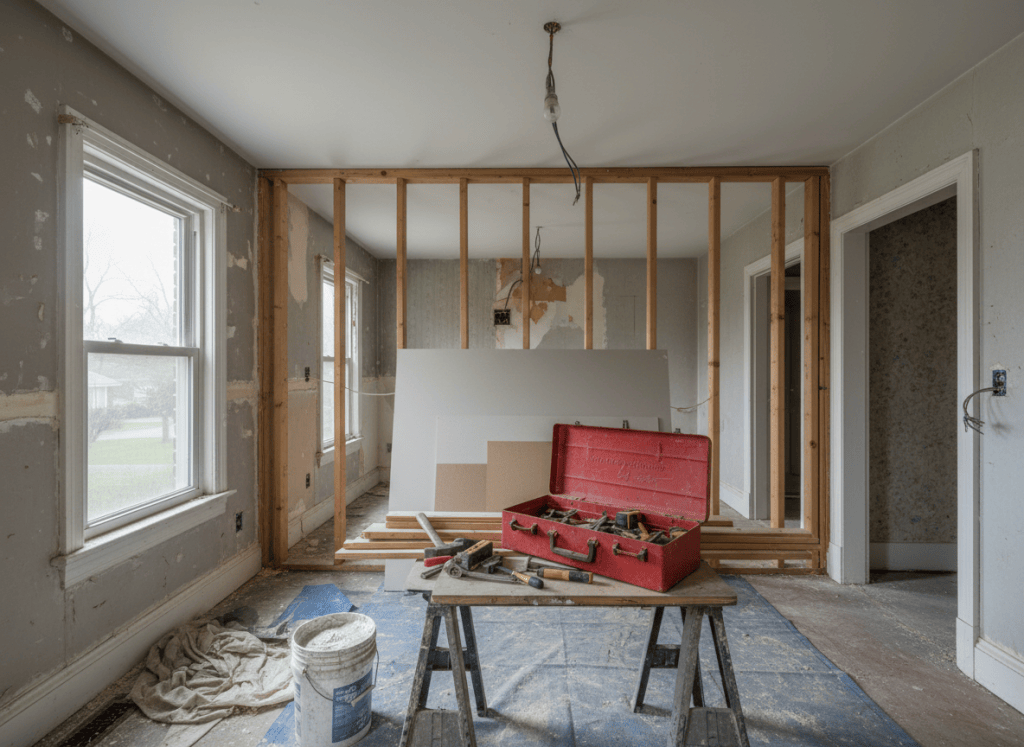
If a New Jersey home-improvement contractor took a deposit, stopped communicating, or left the project unfinished, preserve the evidence before the dispute gets worse. A state consumer complaint can trigger review or enforcement, but it does not automatically return your money. Your best next step depends on the contract, the payment method, the amount involved, whether permits or unsafe conditions are involved, and whether the contractor is still operating.
This guide focuses on practical documentation, complaints, payment disputes, insurance questions, and legal options. It complements our guide to hiring a New Jersey home-improvement contractor.
First, secure the property and evidence
- Photograph and video all completed, incomplete, damaged, and exposed work.
- Save the signed contract, proposals, change orders, invoices, permits, proof of payment, warranties, advertisements, texts, emails, and voicemails.
- Write a dated timeline of promises, payments, workdays, missed appointments, and conversations.
- Download electronic messages and project-portal records before access disappears.
- If the site is unsafe or exposed to weather, take reasonable steps to prevent additional damage and document why emergency work was necessary.
Do not alter or demolish disputed work before documenting it unless safety requires immediate action. For a large dispute, an independent inspection or written repair estimate can help establish the condition and likely completion cost.
Check the contract and registration
New Jersey home-improvement contracts priced at $500 or more generally must be in writing and include key information such as the contractor’s legal name, business address, registration number, start and completion dates, description of work, and total price. Search the contractor’s registration through the New Jersey Division of Consumer Affairs and save the result.
A registration number—often beginning with 13VH—is not a quality guarantee. An expired, missing, or mismatched registration can be important evidence, but it does not by itself resolve a refund dispute.
Send a written demand
State the contract, amounts paid, work completed, specific breach, and the resolution you want. Give a reasonable written deadline. Depending on the facts, you might demand a documented return-to-work schedule, correction of defective work, return of unused materials, release of permits, or refund.
Send the demand to every address and email listed in the contract and registration record. Keep delivery proof. Avoid threats or exaggerated accusations; a factual timeline is more useful to regulators, payment providers, and courts.
Can you cancel within three business days?
New Jersey home-improvement contracts must provide a right to cancel for any reason before midnight of the third business day after the consumer receives a copy. Cancellation must be written and delivered as the statute describes. A timely cancellation entitles the consumer to a full refund, generally within 30 days after the contractor receives the notice.
This three-business-day rule is not a general cancellation right months into a project. If the period has passed, your rights depend on the contract and the contractor’s conduct.
Dispute the payment when appropriate
If you paid by credit card, contact the card issuer promptly about its billing-dispute process and deadlines. If financing was arranged, review the lender’s dispute procedure and whether the financing contract is connected to the home-improvement sale.
Do not file a false fraud claim for a payment you knowingly authorized. Explain that the dispute concerns services not delivered, abandonment, cancellation, or misrepresentation, and provide the contract and evidence.
File a New Jersey contractor complaint
Use the New Jersey Division of Consumer Affairs complaint portal and select the home-improvement contractor complaint process. Include:
- the contractor’s legal and trade names and registration number;
- the signed contract and all change orders;
- proof and dates of each payment;
- your timeline and written demand;
- photographs, inspection findings, permit records, and completion estimates;
- the exact financial or corrective resolution requested.
A complaint may help the Division investigate registration or consumer-fraud violations. It is not a substitute for a civil claim and does not guarantee restitution.
Contact the municipal construction office
Ask whether required permits were obtained, which inspections occurred, and whether permits remain open. The local code office can address code and permit issues, but it generally does not decide private payment disputes or force a contractor to refund a deposit.
Do not falsely claim you performed work yourself on a permit application when a contractor actually performed it.
What about the contractor’s insurance?
Liability insurance may respond to covered property damage or injury, but it usually is not a guarantee that the contractor will finish the job or refund an ordinary contract payment. Obtain the declarations information you were given and report an actual covered loss accurately. Do not assume “insured” means bonded or that a bond or recovery fund exists for every dispute.
When to speak with an attorney
Legal advice becomes more important when the loss is large, the contractor files or threatens a construction lien, the home is unsafe, financing is involved, multiple consumers appear affected, or deadlines are approaching. Ask about contract claims, the New Jersey Consumer Fraud Act, lien rights, small-claims or civil-court options, and whether attorney-fee or enhanced-damage provisions could apply to proven conduct.
For suspected theft or deliberate fraud, you may also contact local law enforcement, but a delayed or poor-quality project is often a civil dispute rather than a crime. Provide facts and let the agency classify it.
Avoid compounding the loss
- Do not pay a second large deposit without verifying the replacement contractor.
- Get written estimates separating correction, demolition, and completion costs.
- Preserve damaged materials when practical.
- Confirm permits and insurance before replacement work begins.
- Do not post private information or unsupported accusations online.
Bottom line
Document first, make a precise written demand, use payment-dispute channels before deadlines expire, file a complete Consumer Affairs complaint, and address permit or safety issues locally. For a substantial loss, legal advice can be more valuable than repeatedly negotiating with a contractor who has already abandoned the job.
Official sources
- NJ State Board of Home Improvement and Home Elevation Contractors
- NJ Division of Consumer Affairs complaint portal
- NJ Consumer Affairs contractor guide
- New Jersey Home Improvement Contractors Law
This article provides general consumer information, not legal advice.

