Category: Transit & Getting Around

How New Jersey’s roads, transit, licensing, and traffic systems actually work, including plate data, MVC processes, and what drivers should know.

  • Navigate NJ MVC Online Services 10× Faster with AI 2026

    If you’ve lived in New Jersey long enough, the MVC has probably stolen years off your life. Appointments that vanish. Forms that don’t save. Pages that crash right when you’re almost done. It’s like the system was designed to test your patience on purpose.

    Here’s the part that’s wild. Most of the pain isn’t the rules. It’s the process.

    AI tools are now being used by NJ residents to cut through MVC nonsense way faster than doing it raw. You paste in what you’re trying to do. License renewal. Registration. Title transfer. Address change. It tells you exactly which forms you need, which links actually work, and what order to do things in so you don’t get kicked back to the start.

    No guessing. No bouncing between five tabs.

    I’m talking minutes, not days.

    It also explains what the MVC site is actually asking in plain English. Half the time people mess up because the wording is awful. These tools translate it so you don’t accidentally submit something wrong and wait another three weeks.

    If you’ve ever rage-closed the MVC website and said “I’ll deal with it later,” this is how you stop doing that.

    Takeaway. The MVC isn’t getting better anytime soon. But the way you deal with it absolutely can.

    Read the full statewide guide:
    https://exitdesk.wordpress.com/2025/12/11/how-new-jersey-residents-are-using-ai-in-2026-to-beat-high-taxes-insurance-rates-and-everyday-costs/

  • Use AI to Understand & Fight New Jersey Traffic Tickets 2026

    If you’ve ever opened a traffic ticket in New Jersey and felt your blood pressure spike, welcome to the club. Half the time you don’t even understand what you’re being charged with. You just know it’s going to cost you money, points, or both.

    Here’s the dirty secret. A lot of tickets are beatable. Or at least reducible. Most people just don’t know how to respond without making it worse.

    AI helps with that.

    These tools let you upload the ticket, punch in the details, and see what it actually means. Plain English. No legal mumbo jumbo. It explains your options. Pay it. Contest it. Request a downgrade. It also shows the likely outcomes based on NJ rules and past cases.

    I’m talking minutes, not days.

    For NJ drivers dealing with Parkway stops, local speed traps, and random “failure to observe” nonsense, this clarity is huge. You stop panic-paying and start making an informed decision.

    No guarantees. No promises you’ll walk away free. But knowing whether you’re about to torch insurance rates over something minor is worth its weight in gold.

    Takeaway. Tickets are stressful because they’re confusing. Once you understand what you’re actually facing, the fear drops fast.

    Read the full statewide guide:
    https://exitdesk.wordpress.com/2025/12/11/how-new-jersey-residents-are-using-ai-in-2026-to-beat-high-taxes-insurance-rates-and-everyday-costs/

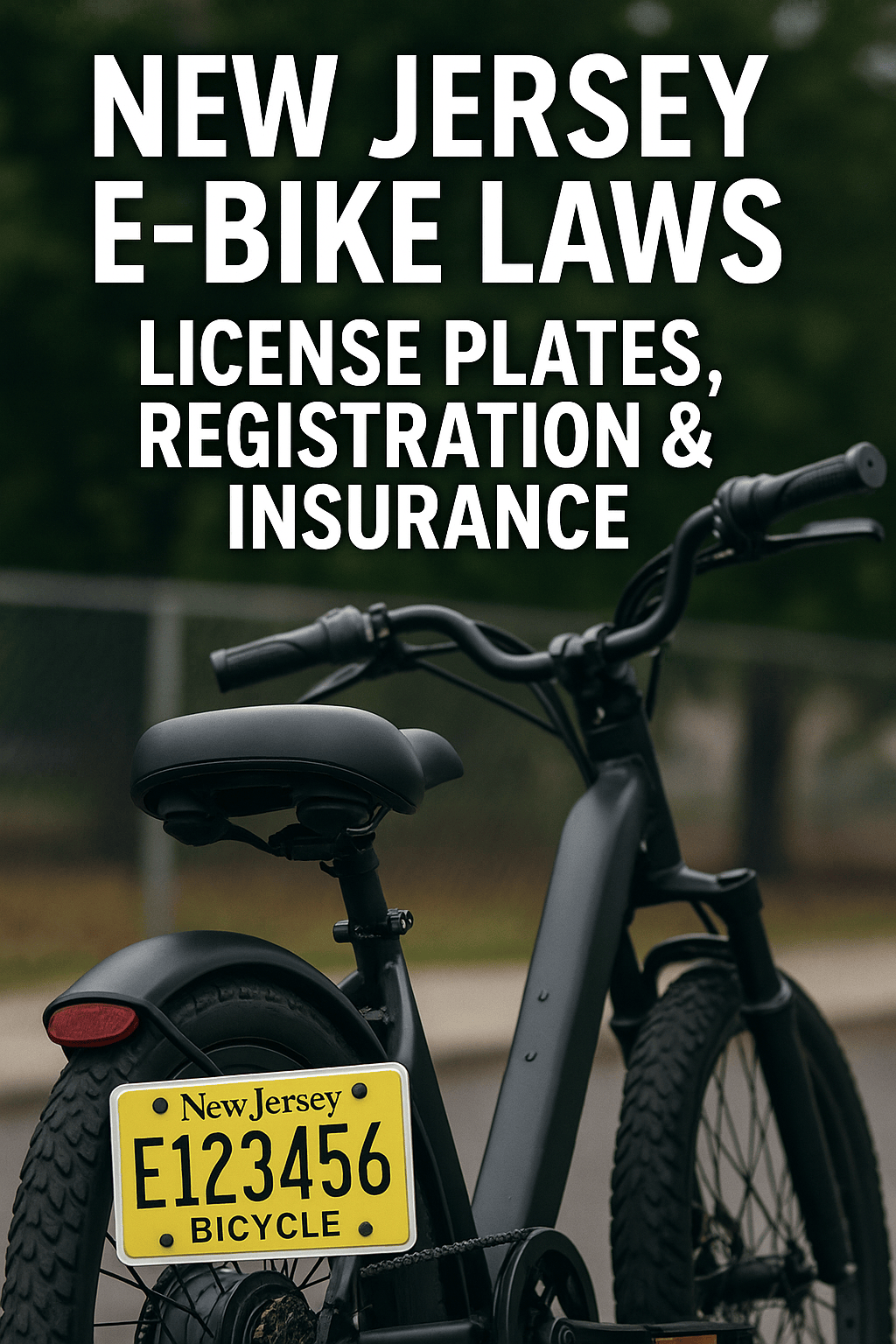
  • NJ E-Bike Law Update: The 2025 Proposal and What Took Effect in 2026

    NJ E-Bike Law Update: The 2025 Proposal and What Took Effect in 2026

    Update: New Jersey’s e-bike proposal became law, and the Motor Vehicle Commission began implementing the new licensing and registration requirements on June 26, 2026.

    This older article originally covered the proposal while it was moving through the Legislature. It should not be used as the current compliance guide. In particular, the implemented rules do not require liability insurance for every e-bike: motorized bicycles require insurance, while low-speed electric bicycles do not.

    For the current registration, licensing, age, helmet and insurance rules, read New Jersey E-Bike Laws in 2026: License, Registration, Insurance and Helmet Rules.

    Historical context: the enacted law is P.L.2025, c.285. Verify current administrative procedures with NJMVC.

  • How to Reduce New Jersey MVC Points: Defensive Driving, DIP and Clean-Record Credits

    New Jersey drivers cannot erase a ticket or conviction on demand, but MVC point totals can decline through violation-free driving and specific approved programs. MVC points, insurance-company rating, and state surcharges are related but separate systems, so a two-point MVC credit does not guarantee a particular premium reduction or erase the underlying violation from every record.

    This guide explains legitimate point reductions and the claims to avoid.

    Check your actual driving record first

    Order a certified driver-history abstract through the New Jersey Motor Vehicle Commission when you need the official record. Do not rely only on an insurer, ticket website, or memory. Confirm the violation date, conviction, points, suspensions, and any program credit.

    The MVC point schedule lists point values for New Jersey offenses. Certain out-of-state moving violations can also add points.

    Violation-free driving: three-point annual reduction

    New Jersey law provides a reduction of three points for each 12 consecutive months without a violation that results in points or a suspension. The calculation is based on offense dates. Point totals cannot be reduced below zero.

    This reduction rewards a clean period; it does not delete the conviction or guarantee that an insurer will stop considering the incident.

    Defensive driving course: two points

    A voluntary New Jersey-approved defensive driving course may remove two accumulated MVC points. The credit is available only once every five years and only when points are on the record at completion. Verify that the course uses a state-approved New Jersey curriculum before paying.

    The provider reports completion to MVC, generally within 7–10 business days. Check the record after processing. Completion may also qualify for an insurance discount under applicable rules and policy terms, but ask the insurer about the amount and duration rather than assuming a percentage.

    Driver Improvement Program: up to three points

    The Driver Improvement Program (DIP) is not a voluntary substitute for defensive driving. MVC may offer it to an experienced driver in lieu of a 30-day suspension when the driver accumulates 12–14 points over more than two years. Successful completion can remove up to three points.

    The driver must pay the MVC administrative fee and the provider’s course fee. After completion, a one-year warning period applies; another moving violation during that period can result in suspension.

    Probationary Driver Program: up to three points

    A new driver in the two-year probationary period who is convicted of two or more moving violations totaling four or more points may be required to complete the Probationary Driver Program (PDP). Successful completion can remove up to three points. The driver must follow the MVC notice, pay required fees, and attend an approved program.

    Defensive driving is not a substitute for a required PDP.

    Point reductions do not cancel surcharges

    MVC point credits do not automatically eliminate surcharges already imposed, court fines, restoration fees, or suspension requirements. Follow each official notice and verify balances directly with MVC or the responsible agency.

    MVC points are not the same as insurance rating

    An insurer’s eligibility and rating rules do not operate as a simple mirror of the current MVC point total. A conviction or accident can affect a premium even after MVC points decline. Conversely, a defensive-driving discount can apply under separate requirements.

    Ask the insurer which violation or accident is affecting the premium, the applicable experience period, and whether an approved course changes the rate. Compare quotes using identical coverage limits and deductibles.

    Be careful with “no-point” plea advice

    A municipal-court outcome can affect fines, MVC points, insurance consequences, and future offenses in different ways. A plea marketed as “no points” is not automatically inexpensive or harmless. Do not rely on a course seller or generic article for case-specific legal advice. Consult a qualified New Jersey traffic attorney when the stakes justify it.

    Steps to take now

    1. Obtain the official driver abstract.
    2. Compare it with the MVC point schedule and all notices.
    3. If choosing defensive driving, verify the provider on MVC’s approved list and confirm five-year eligibility.
    4. If MVC ordered DIP or PDP, follow that notice; do not substitute a different course.
    5. Check the record after the provider’s processing period.
    6. Ask the insurer separately about rating and discounts.

    Bottom line

    Legitimate New Jersey point reductions come from clean driving and approved programs—not instant removal services. A defensive-driving course can reduce two points once every five years; DIP and PDP can reduce up to three points under their own eligibility rules; and a clean 12-month period can reduce three points. None automatically erases the conviction, surcharges, or insurance history.

    Official sources

    This article provides general information, not legal or insurance advice.

  • 11 Real-World Ways New Jersey Riders Are Actually Saving Money on NJ Transit Fares in 2025

    Commuters across the state are finding practical ways to manage the rising cost of NJ Transit tickets while still getting to work, school, and appointments on time.

    By Exit Desk

    NJ Transit is part of everyday life for thousands of New Jersey residents, and many riders say the recent fare increases pushed them to get more strategic about how they travel. The good news is that several small changes can add up to real savings.

    1. Taking Advantage of Monthly Pass Discounts
      Many riders find the monthly pass offers the best overall value if they travel frequently. Commuters on the Northeast Corridor say even three round trips per week often justify the pass. It also includes bus and light rail transfers at no extra cost.
    2. Using FlexPass for Hybrid Work Schedules
      Families tell us hybrid workers are choosing FlexPass bundles for partial-week commutes. This option gives discounted rides without committing to a full month. It’s useful for people who travel only a few days per week.
    3. Traveling During Off-Peak Hours
      Off-peak tickets cost less and the trains are less crowded. Riders on lines like the North Jersey Coast say they plan errands and appointments around these hours. It’s one of the easiest ways to cut costs.
    4. Signing Up for Student and Senior Discounts
      NJ Transit offers reduced fares for students, seniors, and people with disabilities. Many parents say the student discount helps significantly during the school year. Seniors often pair discounts with off-peak travel for additional savings.
    5. Purchasing Tickets on the App
      Buying tickets through the NJ Transit app can lower fees and reduce the risk of onboard surcharges. Riders tell us it’s faster, easier, and prevents unexpected costs. The app also tracks promotions and temporary discounts.
    6. Using Commuter Benefit Accounts Through Employers
      Some workplaces offer pre-tax commuter benefits. New Jersey employees say using these accounts lowers the real cost of travel. Even small payroll deductions can add up to meaningful monthly savings.
    7. Pairing Rides With Local Shuttles
      Certain towns, especially around Princeton and Montclair, offer free or low-cost shuttles to stations. Families say combining local transit with NJ Transit reduces parking expenses. It’s also more convenient during bad weather.
    8. Sharing Parking Permits With Neighbors
      In busy commuter towns, parking can be expensive. Some families share a permit with neighbors who work opposite schedules. Readers say it cuts the cost in half without affecting their routine.
    9. Tracking Occasional Promo Codes
      NJ Transit rarely offers promotions, but when they do, riders using the app usually see them first. Many commuters jump on summer-weekend deals or holiday discounts. These limited-time offers help soften seasonal travel costs.
    10. Using Light Rail and Bus for Short Trips
      Some riders skip the train entirely for short-distance travel. Parents in Hudson County say the light rail saves them money for appointments and weekend outings. Bus routes often provide similar convenience at lower prices.
    11. Planning Trips to Avoid Onboard Surcharges
      Buying a ticket before boarding avoids extra fees. Riders tell us it’s a simple habit that prevents wasted money. The app makes this especially easy during busy morning commutes.

    A lot of New Jersey families find that small steps, repeated, lead to the biggest results. When riders build a few of these habits into their weekly routine, the cost of commuting becomes far more manageable. If you’ve discovered your own NJ Transit savings strategy, share it in the comments so others can benefit too.

    For the recurring infrastructure and operating problems behind rail disruptions, see why NJ Transit trains get delayed and what riders can do.

  • 10 Real-World Reasons New Jersey Parkway Tolls Keep Rising — And How Drivers Are Adapting in 2025

    Garden State Parkway tolls have become a regular part of life, and many New Jersey drivers say they’ve had to adjust their routines as costs continue to climb.

    By Exit Desk

    For years, Parkway tolls have risen steadily, and drivers across New Jersey say they notice the increases whenever they make a long trip. Understanding why tolls rise — and how people are adjusting — helps make the daily commute feel more predictable.

    1. Maintenance Costs Keep Climbing
      The Parkway is one of the busiest highways in the country, and it takes constant upkeep. Many drivers say they’re not surprised by frequent construction zones. More wear-and-tear means higher long-term maintenance bills.
    2. Bridge and Overpass Repairs Are Expensive
      New Jersey has hundreds of aging bridges along major travel routes. Families in Ocean and Monmouth counties say they see repair projects almost every season. These projects require long-term funding, which contributes to toll increases.
    3. Rising Construction Prices Statewide
      The cost of materials like steel, asphalt, and concrete has gone up across New Jersey. Readers tell us they notice more price changes during major rebuilds. Higher construction costs lead to higher tolls.
    4. Storm Damage Takes a Toll of Its Own
      Coastal storms, flooding, and harsh winters create ongoing repair needs. Parents across the state say they’ve seen sections of the Parkway shut down after big weather events. Those emergency fixes require funding beyond the normal budget.
    5. Debt From Long-Term Projects
      Large improvements, such as lane widenings and interchange redesigns, are financed over many years. Drivers say they see the benefits but also understand these projects raise tolls. Debt repayment is a major factor in ongoing price adjustments.
    6. Traffic Volumes Keep Growing
      More vehicles mean more strain on the highway. Families say weekend traffic to the shore grows every year. Higher usage creates higher maintenance costs, which influence toll rates.
    7. E-ZPass Discounts Shift Costs
      Discounts for New Jersey E-ZPass users shift part of the cost onto cash tolls and out-of-state drivers. Many commuters say this helps locals but still pushes up overall revenue needs. It keeps the system funded but not free from rate changes.
    8. Inflation Affects Operations
      Everything from labor to equipment costs more today. Drivers report seeing these effects across many parts of daily life. The Parkway is no exception, and tolls rise to match inflation.
    9. Environmental and Safety Upgrades
      Projects like new guardrails, drainage improvements, and safer merging lanes require steady funding. Families say they appreciate these upgrades when traveling with kids. Safety improvements add to the overall budget.
    10. Drivers Adjusting Travel Habits
      More people are timing trips to avoid peak hours or combining errands to reduce toll trips. Readers tell us they sometimes take Route 9 or 18 to save money when possible. Small adjustments help balance the cost of frequent travel.

    In the end, it’s the simple routines that quietly shape long-term results. As drivers build smarter habits into their daily and weekly travel, the cost of tolls becomes easier to manage. If you’ve found a strategy that helps stretch your travel budget, share it in the comments so others can use it too.

  • 11 Real-World Reasons New Jersey Roads Always Seem to Be Under Construction in 2025

    Drivers across New Jersey say it feels like no matter where you go — the Parkway, Route 9, 295, or the Turnpike — something is always being repaired or rebuilt.

    By Exit Desk

    Road construction has become part of everyday life in New Jersey. Families, commuters, and truck drivers all say the constant work is frustrating, but these projects are tied to real needs across the state’s aging highway network.

    1. New Jersey Has Some of the Oldest Infrastructure in the Country
      Much of the state’s highway system was built decades ago. Drivers say it’s easy to see the wear and tear after long winters. Old roads require more frequent repairs.
    2. Heavy Traffic Causes Faster Damage
      NJ highways carry millions of vehicles daily, including heavy trucks. Commuters on Route 1 and 287 say the pavement wears down quickly. More traffic means more maintenance.
    3. Freeze-Thaw Cycles Break Asphalt
      Winter freezing expands the pavement, and spring thaw contracts it. Families say potholes appear overnight on their local roads. These cycles force constant patching and resurfacing.
    4. Funding Priorities Push Projects Ahead Quickly
      When state or federal money becomes available, NJDOT moves fast to start work. Readers tell us they suddenly see construction zones after funding announcements. Quick starts help secure long-term infrastructure grants.
    5. Major Bridges Need Ongoing Repairs
      New Jersey has hundreds of bridges that require regular inspection and maintenance. Parents in Burlington and Middlesex counties say bridge work appears almost nonstop. These structures must be kept safe year-round.
    6. Utility Work Is Constant Beneath the Roads
      Water, gas, and electric companies often dig beneath streets for maintenance or upgrades. Families say this is one reason newly paved roads sometimes get dug up again. Utility work overlaps with road construction.
    7. Shore Traffic Requires Seasonal Projects
      The summer rush demands stronger, safer roads. Parents say they see resurfacing and widening projects appear every spring. Towns prepare for the heavy tourist season.
    8. Flooding Damage Requires Emergency Repairs
      Storms, nor’easters, and flash floods frequently damage pavement and drainage. Residents in coastal towns say repairs happen immediately after major weather events. Flooding accelerates road deterioration.
    9. New Safety Standards Require Upgrades
      Requirements for guardrails, signage, and lane markings change over time. Drivers say they notice upgrades on older highways. Meeting modern safety standards leads to more projects.
    10. Traffic Growth Outpaces Road Capacity
      More residents and more commuters mean roads fill up quickly. Families in fast-growing towns like Jackson and Old Bridge say lanes often need widening. Higher population means more construction.
    11. NJDOT Works Year-Round to Keep Up
      The state schedules projects in every season to avoid falling behind. Commuters say they’ve accepted that construction is constant, not seasonal. Keeping the network safe requires ongoing work.

    Most of the transformation happens when simple habits start working together. When drivers stay patient, plan routes ahead of time, and expect occasional detours, construction becomes easier to navigate. If you’ve found a trick that helps with roadwork headaches, share it in the comments so other NJ drivers can benefit too.

  • 10 Real-World Reasons New Jersey Car Inspections Are Stricter Than Other States in 2025

    Drivers across New Jersey say the inspection process feels tougher than what friends and family experience elsewhere — and there are several reasons why.

    By Exit Desk

    Car inspections are part of life in New Jersey. Many drivers say the rules seem stricter than neighboring states, but those requirements come from safety goals, population density, and the state’s long history with emissions standards.

    1. New Jersey Has Some of the Densest Traffic in the Nation
      The closer vehicles operate to one another, the more important safety and emissions rules become. Commuters say they feel safer knowing brakes, tires, and emissions systems are checked thoroughly. High density requires tighter standards.
    2. The State Prioritizes Clean Air Programs
      New Jersey has long participated in aggressive emissions-reduction efforts. Families in urban and suburban areas say cleaner air is a priority where highways run through neighborhoods. Stricter inspections enforce those goals.
    3. Older Vehicles Stay on the Road Longer in NJ
      Many households keep cars for a decade or more. Mechanics say older vehicles benefit from extra oversight. These checks help prevent breakdowns that cause accidents or traffic backups.
    4. Highway Speeds Make Safety Critical
      Routes like the Turnpike and the Parkway carry fast-moving traffic every day. Parents say they appreciate knowing other cars meet minimum safety requirements. High-speed travel requires reliable brakes, lights, and tires.
    5. The State Handles Emissions Testing at Centralized Sites
      Unlike states where inspection stations vary widely, NJ uses standardized testing centers. Readers say consistency makes the rules feel tougher. Uniform testing creates uniform expectations.
    6. Weather Conditions Wear Vehicles Faster
      Salt, snow, potholes, and wet roads take a toll on cars. Drivers tell us they see more rust and suspension issues here than in warmer states. Inspections catch those problems before they become dangerous.
    7. Many NJ Workers Commute Long Distances
      The long daily mileage raises the chance of vehicle wear. Families say inspections offer peace of mind when kids or teens take the car. High usage means a higher baseline for maintenance.
    8. Road Congestion Increases Accident Risks
      With so many vehicles moving closely together, defective equipment can cause multi-car incidents. Drivers say they understand why NJ enforces working brake lights and safe tires. It reduces risk for everyone.
    9. Inspection Failures Often Prevent Bigger Bills Later
      While failures frustrate drivers, many say repairs caught during inspection save them from costly breakdowns. Catching issues early prevents towing, missed work, and long-term damage. Inspections act like a yearly check-up.
    10. Drivers Are Learning to Prepare Ahead of Time
      More people check lights, tires, and fluid levels before their appointment. A common strategy we’re seeing is visiting a trusted mechanic first. Small fixes ahead of time keep the inspection smooth.

    In the end, it’s the simple routines that quietly shape long-term results. Keeping up with basic maintenance and planning ahead makes New Jersey’s stricter inspection system easier to navigate. If you’ve learned a tip that helps on inspection day, share it in the comments so others can use it too.

  • 12 Real-World Reasons NJ Transit Delays Happen in 2025

    Commuters across New Jersey say delays feel like a normal part of travel — and here’s what’s actually behind them.

    By Exit Desk

    If you ride NJ Transit regularly, you already know trains and buses don’t always run on time. Riders from Bergen County to the Jersey Shore say morning backups, signal issues, and rush-hour bottlenecks happen more often than they’d like. The causes are a mix of aging systems, daily congestion, and behind-the-scenes challenges most people never see.

    1. Aging Rail Infrastructure
      Much of the rail system is decades old. Commuters say switches, tracks, and overhead wires fail more during extreme weather.
    2. Signal System Problems
      Signals coordinate traffic on busy lines. Riders report that even one malfunction can delay dozens of trains.
    3. Congestion at Key Junctions
      Newark Penn, Secaucus Junction, and the Hudson River tunnels handle huge daily volume. One slow train delays everything behind it.
    4. Equipment Shortages
      When a railcar or engine breaks down, NJ Transit can’t always replace it quickly. Regular riders say this leads to shorter trains and crowded platforms.
    5. Weather-Related Slowdowns
      Heat, ice, heavy rain, and wind all affect rail speed. Parents say rain delays happen more often than expected because of slippery rails.
    6. Freight Trains Using Shared Tracks
      Certain NJ Transit lines operate alongside freight services. Riders say freight crossings sometimes hold up passenger trains.
    7. Mechanical Failures During Rush Hour
      Engines, brakes, and doors fail most often when demand is highest. Commuters say these issues ripple across the whole line.
    8. Staffing Shortages or Crew Timing Rules
      Rail crews have federally enforced work-hour limits. Riders say delays occur when a new crew must be assigned unexpectedly.
    9. Track Work and Maintenance Windows
      NJ Transit repairs tracks overnight and during off-peak hours. Families say early-morning trains often run slower due to ongoing work.
    10. Bridge Openings for Marine Traffic
      Movable bridges in places like the Raritan and Hackensack Rivers sometimes open for boats. Commuters say these cause short, sudden delays.
    11. Trespasser or Police Activity
      Any incident on or near the tracks requires immediate suspension. Riders report this as one of the most common unexpected delay reasons.
    12. Crowding and Boarding Delays
      Busy stations like Metropark, Woodbridge, and New Brunswick create longer loading times. When one train falls behind, multiple trains stack up.

    Understanding why delays happen helps NJ commuters plan smarter and travel with fewer surprises. Many riders say a mix of apps, alerts, and timing adjustments makes their daily trips more predictable. If you found this helpful, share it in the comments and subscribe so you don’t miss the next commuter guide.

    For the recurring infrastructure and operating problems behind rail disruptions, see why NJ Transit trains get delayed and what riders can do.

  • 12 Real-World Traffic Avoidance Tips New Jersey Commuters Use in 2025

    Drivers across the state say small timing tweaks and smarter route choices make everyday travel far less stressful.

    By Exit Desk

    New Jersey roads are some of the busiest in the country, especially along the Parkway, Turnpike, Route 9, and the major shore corridors. Commuters say that once you know the patterns — and the best tools — you can cut a surprising amount of time off your drive.

    1. Leave 10 Minutes Earlier Than Everyone Else
      Even a small shift avoids major waves of congestion. Many NJ drivers say this alone cuts their commute by 15–20 minutes.
    2. Know the Parkway’s Daily Rhythm
      Southbound slows near 135–130 by 7 a.m., northbound clogs around 98, 91, and 80 by mid-afternoon. Parents say learning these zones helps them plan better.
    3. Avoid the Turnpike at Shift-Change Hours
      Large employers create traffic spikes. Commuters report that 6:45–7:30 a.m. and 4:15–5 p.m. are the worst stretches.
    4. Use Real-Time Apps — Not Just GPS
      Waze, 511NJ, and Google Maps offer different data. Drivers say comparing two apps gives the clearest picture on bad days.
    5. Know Which Local Roads “Absorb” Highway Delays
      Route 35, Route 18, and Hooper Avenue often become pressure valves. Readers tell us these backups start before the highway even slows.
    6. Watch Construction Zones on Weekends
      Shore-bound lanes often narrow on Fridays and Sundays. Families say weekend construction on the Parkway or Turnpike adds surprise delays.
    7. Understand Seasonal Traffic Patterns
      Summer shore traffic begins Thursdays and peaks Sundays. Commuters statewide say even inland routes feel the ripple effect.
    8. Use Alternate Routes Only When It’s a Real Improvement
      Some shortcuts look good on the map but stall at lights. NJ drivers say they only detour when an app shows at least a 10-minute gain.
    9. Avoid School Arrival and Dismissal Windows
      Local congestion spikes around elementary and middle schools. Parents say shifting errands by 20–30 minutes helps a lot.
    10. Check Cameras Before Leaving
      511NJ cameras show actual traffic flow. Commuters say a quick morning scan helps them choose the best route.
    11. Travel During the “Half-Hours”
      Leaving at :20 or :50 instead of :00 or :30 misses many employer shift changes. Drivers report smoother trips with this trick.
    12. Understand That NJ Traffic Follows Predictable Patterns
      Once you learn your area’s timing, things get easier. Families say recognizing recurring slow spots helps them adjust confidently.

    New Jersey commuters find that avoiding traffic isn’t about luck — it’s knowing the patterns. When these habits become routine, daily travel feels far more manageable. If you found this helpful, share it in the comments and subscribe so you don’t miss the next commuter guide.