
Tag: New Jersey cold snap

  • How Cold Is Too Cold for Your Pets?

    https://www.wellnesspetfood.com/wp-content/uploads/2024/01/paw.jpg

    When temperatures drop into the teens, especially around 13°F, conditions move beyond uncomfortable and into dangerously cold territory for pets. At this level of cold, it is not safe to leave dogs or other pets outside for extended periods, regardless of breed.

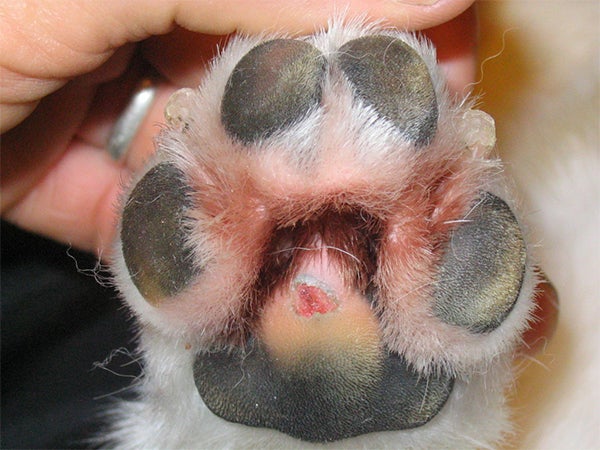
    Cold exposure at these temperatures significantly increases the risk of hypothermia and frostbite, particularly affecting paws, ears, tails, and noses. Pets should not be left outdoors unsupervised or for long stretches in these conditions. The safest approach during extreme cold is to bring pets indoors as much as possible.

    That said, pets still need brief outdoor time for bathroom breaks or short walks. The key is keeping those outings short, supervised, and adjusted to the individual animal.


    How Long Is Too Long in Extreme Cold?

    There is no single safe time limit. Cold tolerance varies based on size, coat type, age, health, and acclimation to winter weather. Wind, moisture, and lack of shelter can make cold exposure much more dangerous.

    Below are conservative guidelines for brief, supervised outings only. These are not recommendations for leaving pets outdoors.

    Small pets and small dogs (under 20–25 pounds or thin-coated breeds):
    10–15 minutes at most, often less. Very small or short-haired animals may tolerate only a few minutes and should return indoors quickly.

    Medium-sized dogs (25–50 pounds):
    About 15–20 minutes maximum, with many better limited to closer to 10–15 minutes when temperatures are below 20°F.

    Large dogs (50 pounds and up, thicker coats):
    Up to 20–30 minutes if active, though even cold-hardy breeds are not immune to frostbite or hypothermia and should not remain outside for long.

    No pet should sleep outdoors or remain outside for prolonged periods in these temperatures.


    Pets That Need Extra Caution

    Some pets are at higher risk and should have much shorter outdoor exposure, often half the time or less:

    • Puppies and kittens
    • Senior pets
    • Thin or lean animals
    • Pets with arthritis, heart conditions, or other medical issues

    For these animals, even brief cold exposure can be dangerous.


    Cold Weather Safety Tips for Pet Owners

    • Keep pets indoors during extreme cold whenever possible
    • Limit outdoor time to quick bathroom breaks
    • Consider insulated coats or booties for short outings
    • Wipe paws after going outside to remove ice and road salt
    • Watch closely for warning signs like shivering, lifting paws, slowing movement, or seeking warmth
    • Never leave pets tied out or unattended in freezing weather

    If a pet shows signs of cold stress, bring them inside immediately and warm them gradually, not rapidly.


    The Bottom Line

    At 13°F, it is simply too cold for extended outdoor time. Even short outings should be brief, supervised, and adjusted to the individual pet.

    When in doubt, assume it is too cold. Your pet’s safety and comfort should always come first.

  • Exploding Trees Are Real. Here’s What’s Actually Happening and Whether It Can Occur in New Jersey

    Reports of “exploding trees” tend to surface during extreme winter cold, often paired with accounts of loud booms echoing through forests at night. While the phrase sounds exaggerated, the phenomenon behind it is real and well documented. It is not an explosion in the traditional sense, but a cold-weather process known as frost cracking, sometimes referred to as a frost burst.

    Understanding what causes it, where it occurs, and whether it poses a real risk in New Jersey helps separate fact from viral exaggeration.


    What Are “Exploding Trees,” Really?

    So-called exploding trees are the result of frost cracks, long vertical splits that form in tree trunks during periods of intense cold.

    The process works like this:

    • Trees contain moisture and sap within their internal tissues
    • When temperatures drop rapidly, that moisture freezes
    • As water freezes, it expands, creating internal pressure
    • The outer bark cools and contracts faster than the inner wood

    When the stress becomes too great, the trunk splits suddenly. The release of pressure can produce a sharp cracking or popping sound, often compared to a gunshot or rifle crack. This is why reports frequently come from nighttime hours during deep freezes, when temperature drops are fastest and background noise is minimal.

    Frost cracking most commonly affects trees with thinner bark, including:

    • Maple
    • Oak
    • Birch
    • Sycamore
    • Fruit trees

    The cracks can stretch several feet vertically and, in some cases, be wide enough to expose inner wood.


    Can This Happen in New Jersey?

    Yes. Frost cracking can occur in New Jersey, though it is far less common than in regions where sub-zero temperatures are routine.

    Current weather context:
    As of late January 2026, New Jersey is bracing for a sharp cold snap this weekend (January 24–26), with daytime highs in the teens to low 20s and overnight lows in the single digits to around 10°F. Some inland and northern areas could briefly dip near 0°F, with wind chills falling below zero. This is dangerously cold for people, pets, and pipes, but still below the threshold typically associated with widespread frost cracking, which usually requires sustained air temperatures in the –10°F to –20°F range.

    That said, isolated frost cracks are still possible under the right conditions.

    Risk factors in New Jersey include:

    • Polar vortex events or Arctic outbreaks
    • Rapid temperature drops following sunny winter days
    • South- or southwest-facing tree trunks, which absorb more sunlight during the day and cool rapidly at night

    Northern and inland areas such as Sussex and Warren counties are more susceptible than coastal regions, where ocean moderation limits extreme lows. While widespread “exploding tree” events are unlikely here, individual cases can occur during sharp cold snaps.


    What Kind of Damage Can Frost Cracks Cause?

    A frost crack is not automatically fatal to a tree, especially if it is otherwise healthy. However, it does create a structural and biological vulnerability.

    Potential consequences include:

    • Open wounds that allow insects, fungi, and bacteria to enter
    • Internal decay, which weakens the tree over time
    • Higher risk of limb or trunk failure during snow, ice, or wind storms
    • Recurring splits, as old cracks often reopen during future cold events

    Young trees and stressed trees are most at risk. In severe cases, frost cracks can lead to cankers, fungal infections that interfere with nutrient flow and may eventually kill the tree.

    Many trees partially heal during warmer months by forming new bark tissue, but scars typically remain and can reopen in later winters.


    Can Frost Cracks Be Prevented?

    Frost cracking cannot be completely prevented, but the risk can be reduced, especially for young or ornamental trees.

    Common protective steps include:

    • Wrapping trunks with burlap or tree wrap in winter
    • Using reflective guards to reduce daytime sun heating
    • Avoiding late-season pruning that stresses trees before cold weather

    If a fresh crack appears, arborists generally recommend monitoring rather than sealing, as improper sealing can trap moisture and worsen decay. Professional evaluation is advised if the tree is near homes, vehicles, or walkways.


    The Bottom Line

    Exploding trees are not a myth, but they are also not a common hazard in New Jersey. The loud cracking sounds reported during extreme cold are the result of wood splitting under thermal stress, not combustion or collapse.

    While this weekend’s deep freeze is serious and potentially dangerous, it is unlikely to trigger widespread frost cracking unless temperatures plunge significantly lower or remain sub-zero for extended periods. Still, isolated cases are possible, especially in exposed or inland areas.

    If a sharp crack echoes through the woods on a bitter night, it may not be fireworks. It may just be winter doing what winter does.