
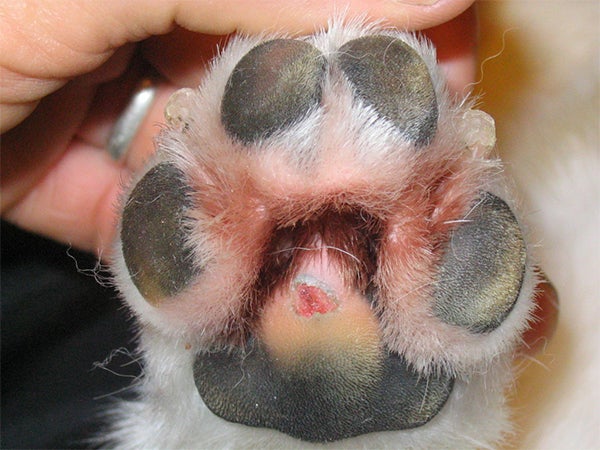
When temperatures drop into the teens, especially around 13°F, conditions move beyond uncomfortable and into dangerously cold territory for pets. At this level of cold, it is not safe to leave dogs or other pets outside for extended periods, regardless of breed.
Cold exposure at these temperatures significantly increases the risk of hypothermia and frostbite, particularly affecting paws, ears, tails, and noses. Pets should not be left outdoors unsupervised or for long stretches in these conditions. The safest approach during extreme cold is to bring pets indoors as much as possible.
That said, pets still need brief outdoor time for bathroom breaks or short walks. The key is keeping those outings short, supervised, and adjusted to the individual animal.
How Long Is Too Long in Extreme Cold?
There is no single safe time limit. Cold tolerance varies based on size, coat type, age, health, and acclimation to winter weather. Wind, moisture, and lack of shelter can make cold exposure much more dangerous.
Below are conservative guidelines for brief, supervised outings only. These are not recommendations for leaving pets outdoors.
Small pets and small dogs (under 20–25 pounds or thin-coated breeds):
10–15 minutes at most, often less. Very small or short-haired animals may tolerate only a few minutes and should return indoors quickly.
Medium-sized dogs (25–50 pounds):
About 15–20 minutes maximum, with many better limited to closer to 10–15 minutes when temperatures are below 20°F.
Large dogs (50 pounds and up, thicker coats):
Up to 20–30 minutes if active, though even cold-hardy breeds are not immune to frostbite or hypothermia and should not remain outside for long.
No pet should sleep outdoors or remain outside for prolonged periods in these temperatures.
Pets That Need Extra Caution
Some pets are at higher risk and should have much shorter outdoor exposure, often half the time or less:
- Puppies and kittens
- Senior pets
- Thin or lean animals
- Pets with arthritis, heart conditions, or other medical issues
For these animals, even brief cold exposure can be dangerous.
Cold Weather Safety Tips for Pet Owners
- Keep pets indoors during extreme cold whenever possible
- Limit outdoor time to quick bathroom breaks
- Consider insulated coats or booties for short outings
- Wipe paws after going outside to remove ice and road salt
- Watch closely for warning signs like shivering, lifting paws, slowing movement, or seeking warmth
- Never leave pets tied out or unattended in freezing weather
If a pet shows signs of cold stress, bring them inside immediately and warm them gradually, not rapidly.
The Bottom Line
At 13°F, it is simply too cold for extended outdoor time. Even short outings should be brief, supervised, and adjusted to the individual pet.
When in doubt, assume it is too cold. Your pet’s safety and comfort should always come first.


Leave a Reply